
Last updated October 31, 2026
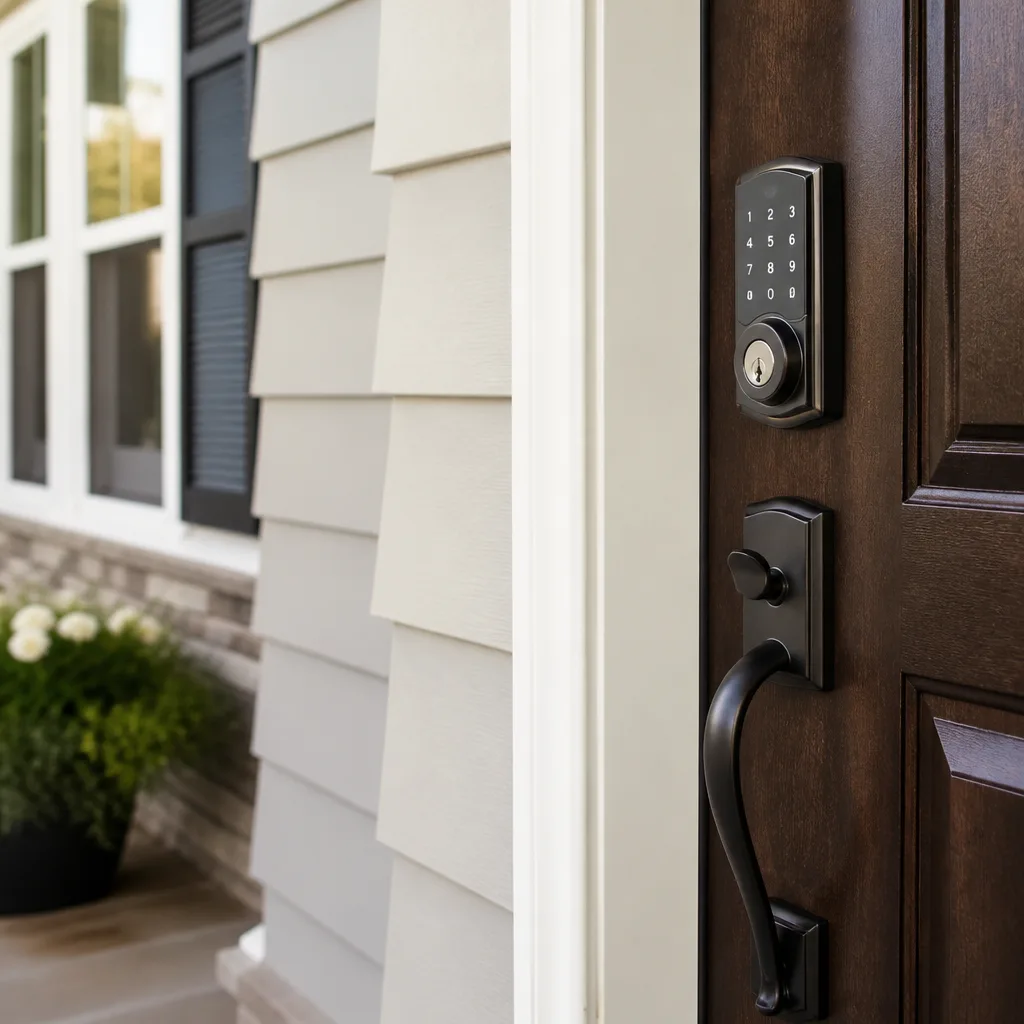 Smart locks
 House lockouts
 Re-keying
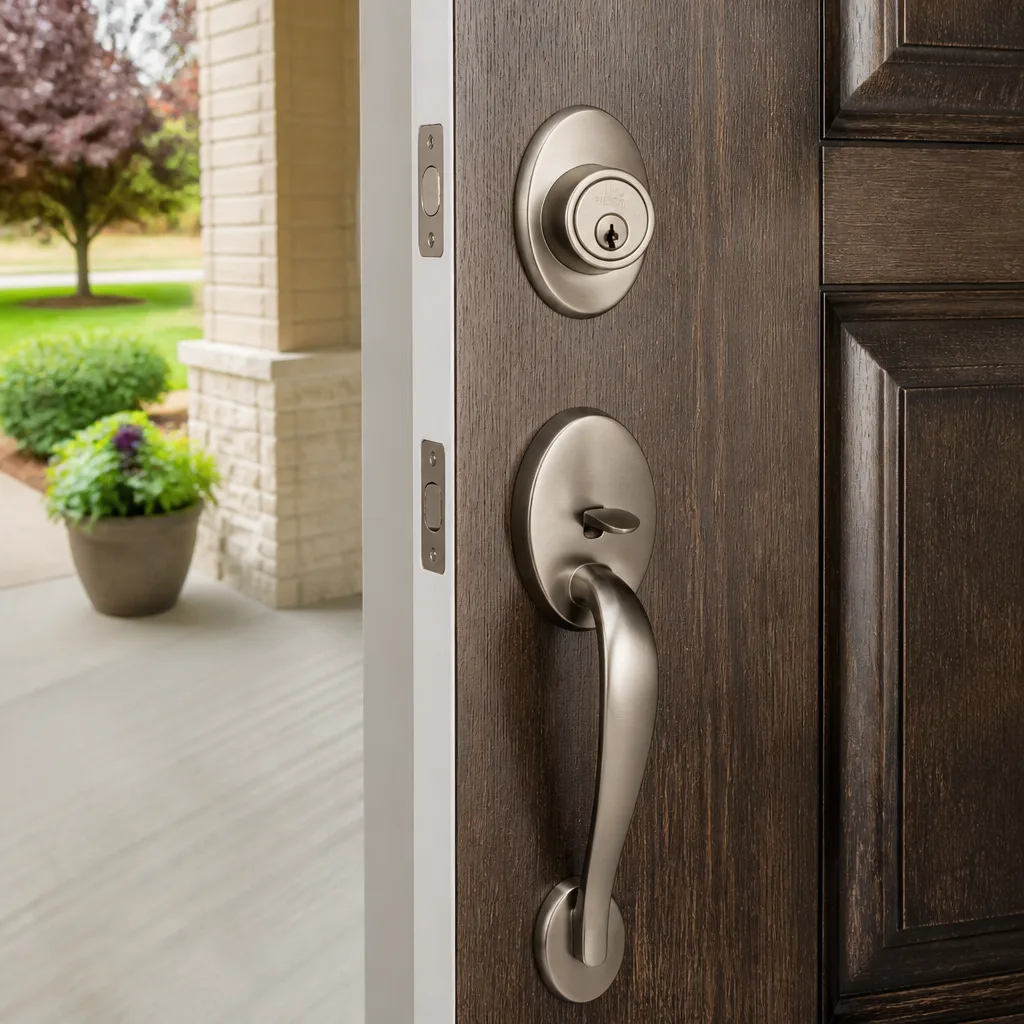 Deadbolt upgrades
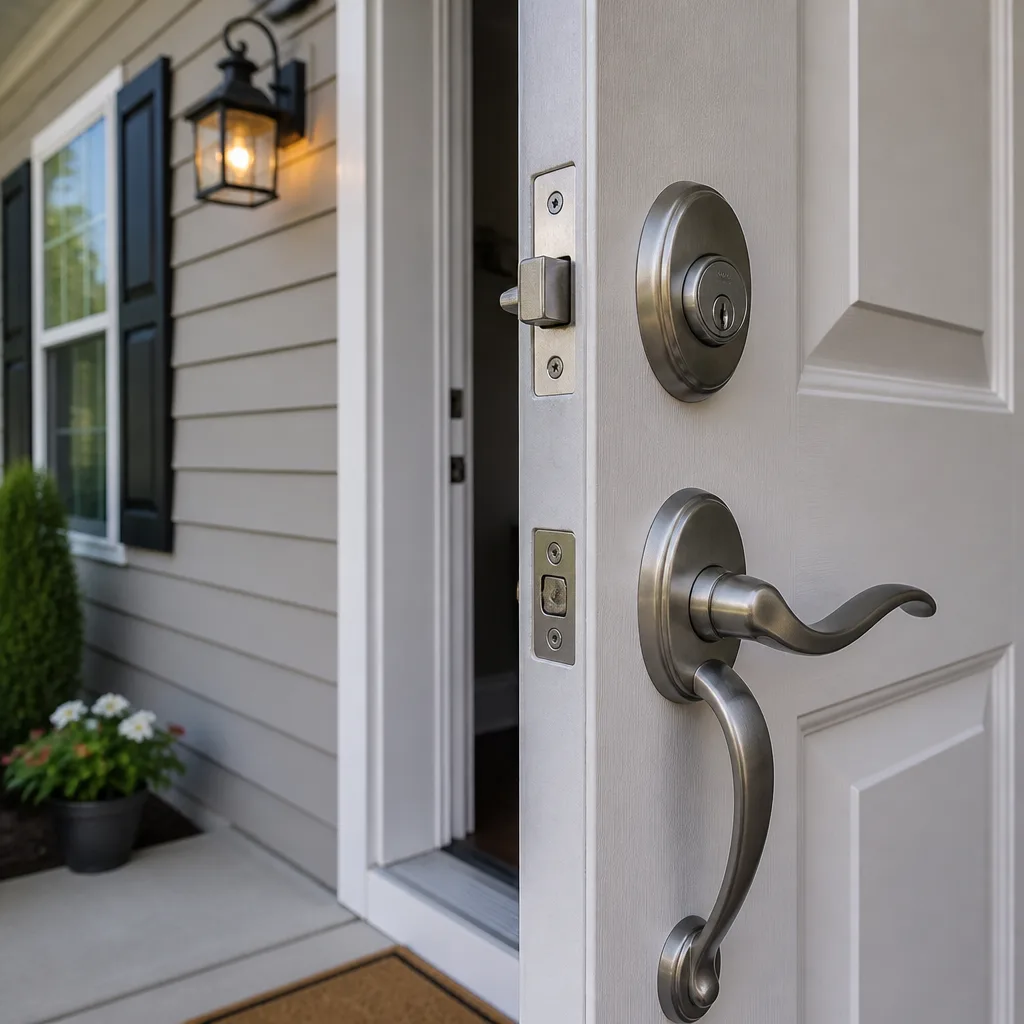
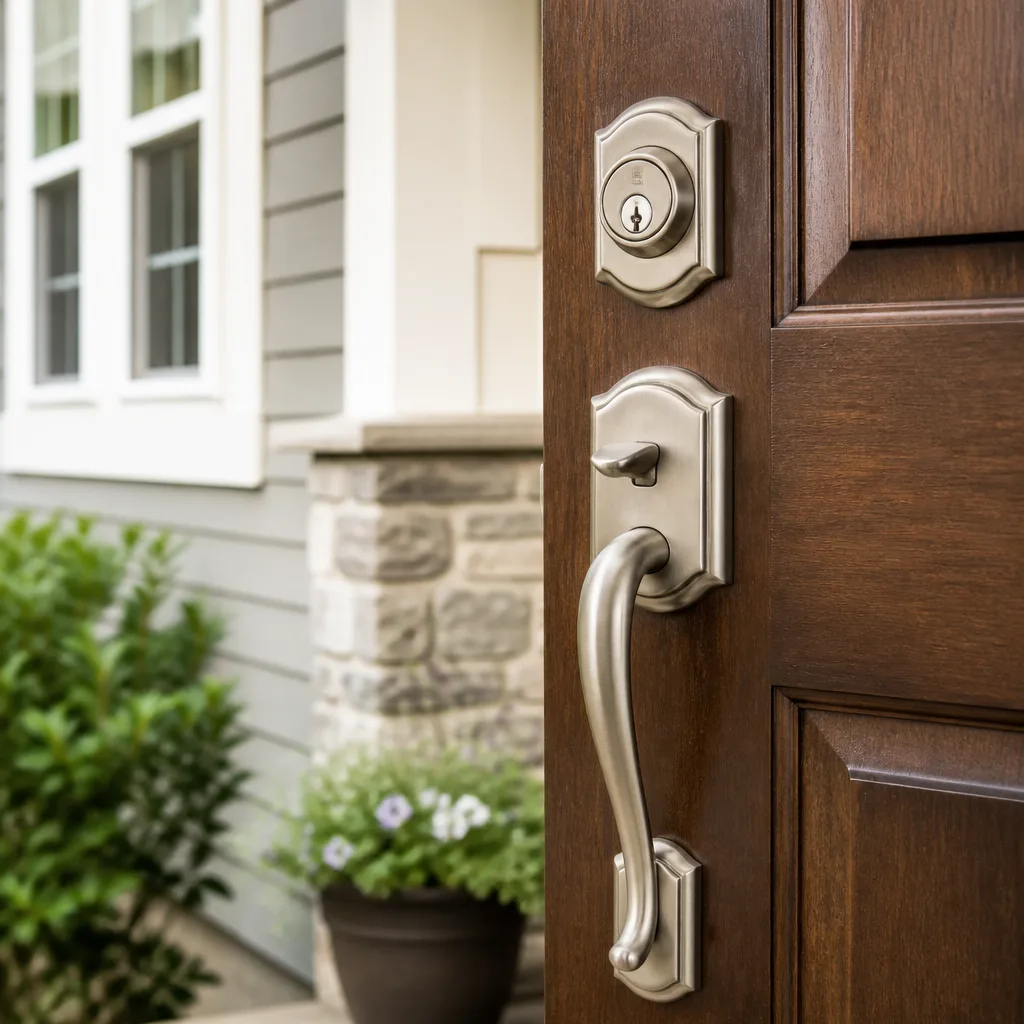 Schlage
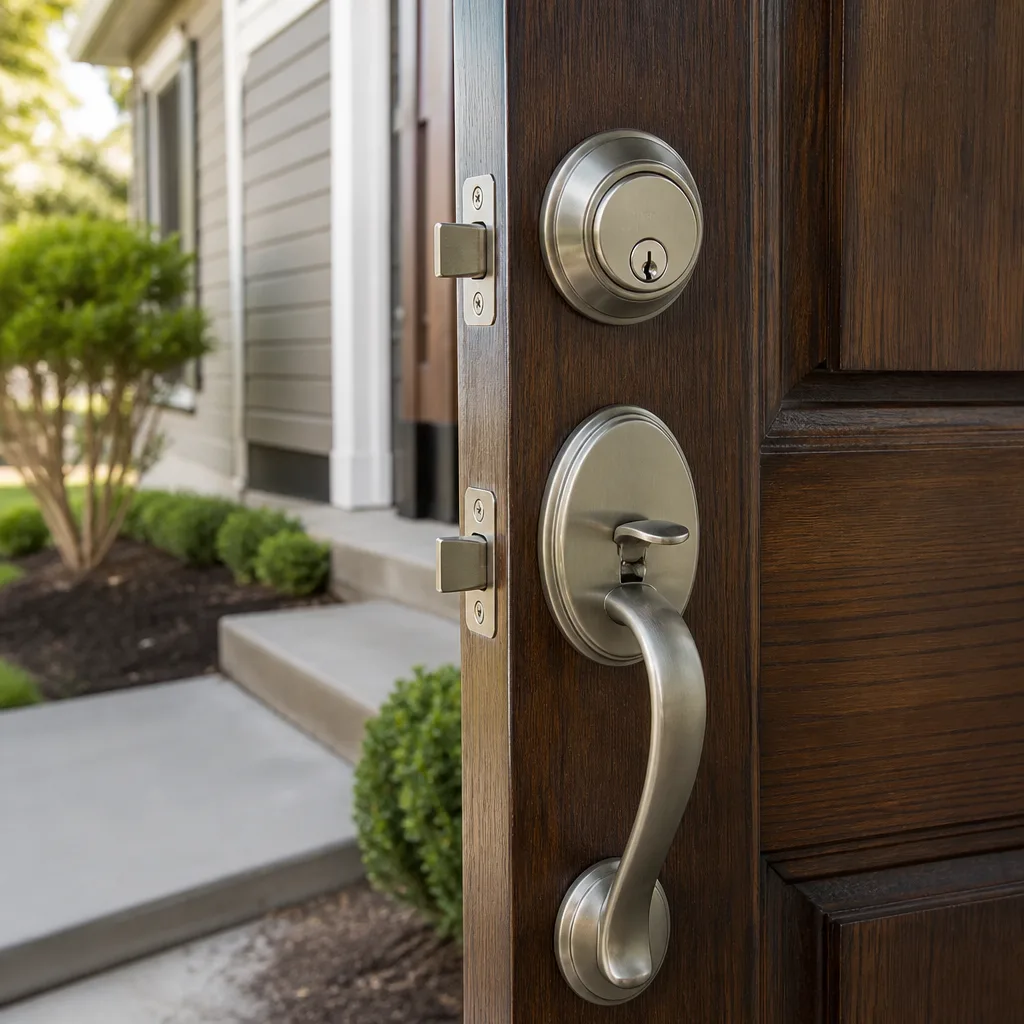
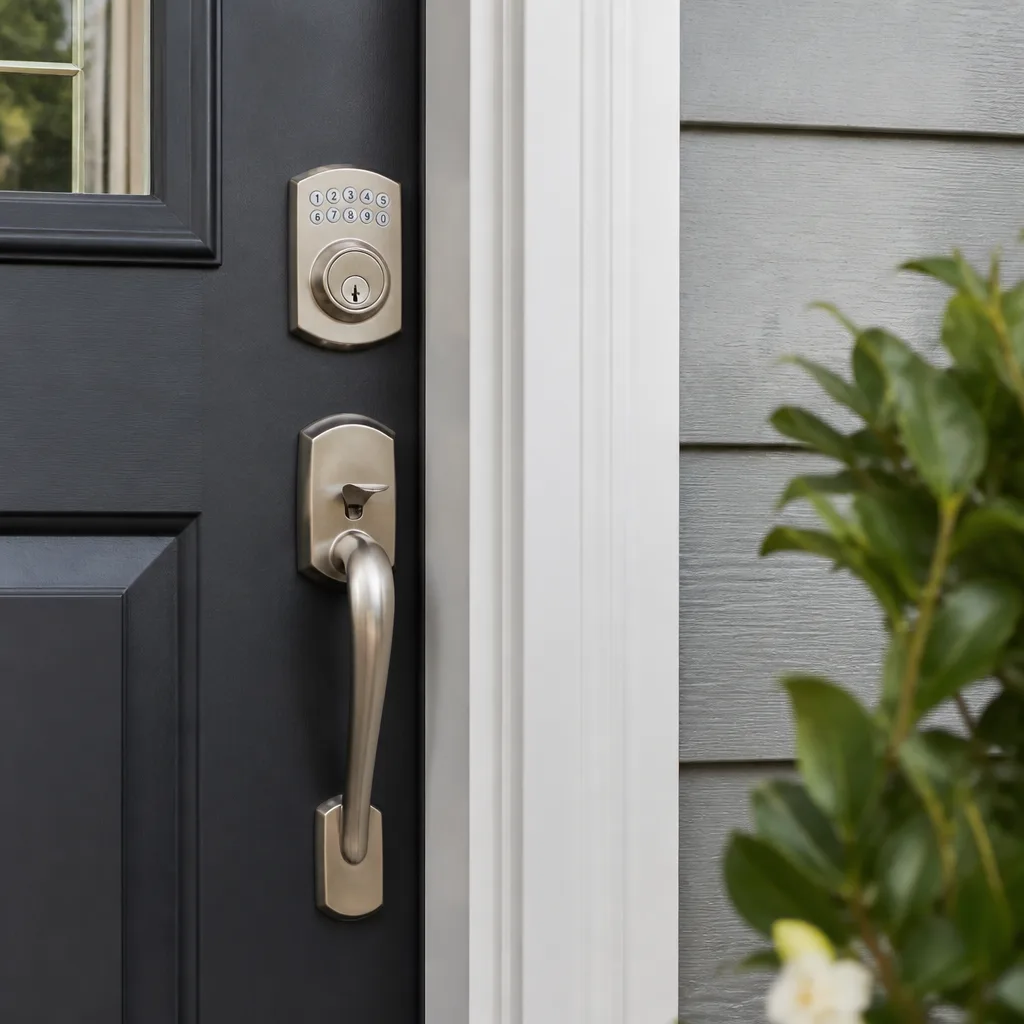 Kwikset
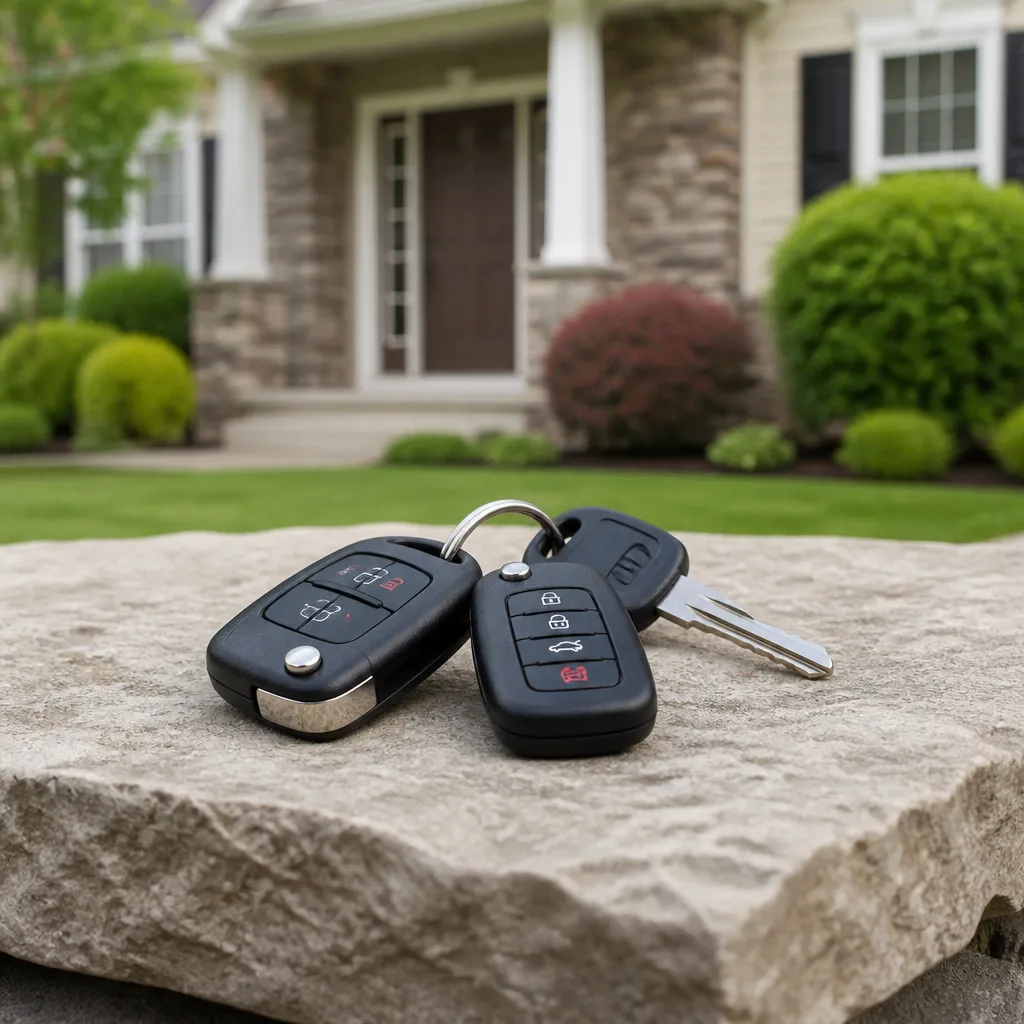 Car keys & fobs
Non-destructive entry first, always - and we re-key Schlage, Kwikset, and Baldwin locks on the spot while you watch
You get a price before we start. It does not change when we arrive. No surprises.
Get your free estimateLocksmith Warning Signs: A Tacoma Homeowner’s Reference Guide
The FTC has flagged locksmith listing fraud as one of the fastest-growing local service scams in the country, and Tacoma’s dense mix of older homes, new apartment buildings, and commuter-heavy neighborhoods makes it a natural target. The pattern is almost always the same: a phone room owns hundreds of fake local listings, a dispatcher quotes you a suspiciously low price, and a subcontractor shows up in an unmarked vehicle ready to charge whatever the moment allows. This guide breaks down exactly how the scam operates in Tacoma, what a legitimate locksmith’s service looks like on the ground, and the specific language you can use to protect yourself before anyone touches your lock.
Styles & brands we work with
Quick Answer
The biggest locksmith warning signs in Tacoma are a phone quote under $35 for a residential lockout, a technician who arrives in an unmarked personal vehicle without branded identification, and an on-site push to drill your lock instead of picking it. A legitimate Tacoma locksmith will quote a full price range on the phone, arrive in a marked vehicle with company ID, and exhaust non-destructive methods before ever suggesting a drill. If the on-site price differs from the phone quote by more than $20 to $30, you’re looking at a bait-and-switch and you should refuse service.
Table of Contents
- The Bait-and-Switch: How Tacoma Locksmith Scams Actually Work
- Price Thresholds That Signal a Scam in Tacoma
- What a Legitimate Locksmith’s Vehicle and ID Look Like
- The Unnecessary Drilling Upsell: When a Lock Must Be Drilled (and When It Shouldn’t Be)
- How to Verify a Tacoma Locksmith’s Physical Address Before They Arrive
- What to Say When the On-Site Price Doesn’t Match the Phone Quote
- Common Mistakes to Avoid
- When to Call a Professional
- Frequently Asked Questions
- The Bottom Line
The Bait-and-Switch: How Tacoma Locksmith Scams Actually Work
The Tacoma locksmith scam follows a script that has been refined over years, and it works because it exploits the exact moment you’re most vulnerable: standing outside your locked house in the rain on a Tuesday night, or stuck next to your car in a grocery store parking lot with your keys on the front seat. The operation typically starts with a phone room, often located out of state, that maintains hundreds of fake Google Business Profiles for cities across the country. When you search for a locksmith in Tacoma, you’re not finding a local company. You’re finding a listing designed to look local, complete with a borrowed address or a virtual office in a strip mall on South Tacoma Way or Pacific Avenue.
The dispatcher is trained to give you a lowball quote, usually between $15 and $40, and to avoid answering questions about the total cost. They might say “the technician will assess it on site” or “there’s a small service fee on top of that.” What they won’t tell you is that the person they’re dispatching isn’t an employee. It’s a subcontractor who has agreed to split the final bill with the phone room, and that subcontractor has every incentive to inflate the price once he’s standing in front of your door. By the time the real number comes out – often $150 to $400 for a simple lockout – you’ve already been waiting an hour, it’s getting dark, and you just want to get inside.
We’ve seen this pattern repeat across Tacoma, from the North End’s older Craftsman homes with their original mortise locks to the newer builds in the South End where builders install standard Kwikset or Schlage deadbolts that should take a competent locksmith minutes to open. The scam doesn’t discriminate by neighborhood, income, or lock type. It discriminates by desperation, and the entire business model depends on you not knowing what a legitimate service call actually costs. If you’re facing a lockout right now, our Emergency Locksmith in Lynnwood page walks through what a real service call includes, and the principles apply anywhere in the Puget Sound.
The FTC’s investigation into these operations revealed something startling: in many cases, the phone room owners have never been to the cities they list, never met the subcontractors they dispatch, and have no relationship with the addresses on their listings. When a customer files a complaint, the listing simply disappears and a new one takes its place, often with the same phone room behind it. This is why checking a locksmith’s physical presence before you commit is not optional in Tacoma. It’s the single most reliable filter between you and a scammer.
Price Thresholds That Signal a Scam in Tacoma
Residential lockout pricing in Tacoma typically falls between $60 and $120 for a standard door lock during business hours, with after-hours and weekend calls running higher due to dispatch costs. That’s not a guess. It’s the range that reflects the actual economics of running a licensed, insured locksmith operation in Pierce County: a trained technician, a service vehicle, commercial insurance, and the time to drive to your location. When a phone quote comes in dramatically below that floor, something in the equation doesn’t add up.
| Phone Quote | What It Usually Means | What You’ll Likely Pay On Site |
|---|---|---|
| $15 to $20 | Bait quote. The dispatcher is buying your commitment. | $180 to $400 |
| $25 to $35 | Still below operating cost for a legit company. | $120 to $300 |
| $40 to $60 | Possible legit base, but confirm total before dispatch. | $60 to $150 |
| $60 to $120 | Honest range for standard residential lockout. | Matches quote, plus any disclosed fees |
Quotes under $35 for a residential lockout in Tacoma are statistically associated with upcharge schemes, and the reason is simple math. A legitimate locksmith cannot cover payroll, vehicle costs, insurance, and dispatch time at that rate and stay in business. The $29 quote is not a discount. It’s a hook. The scam operation loses money on the phone quote because it knows the subcontractor will recover the difference on site, usually by claiming your lock is “high security” or “specialty” and requires a more expensive procedure. A standard Schlage or Kwikset deadbolt is neither high security nor specialty, and any locksmith who tells you otherwise on site is reciting a script, not diagnosing your lock.
Tacoma has a competitive locksmith market, and honest local companies compete on service, not on who can post the lowest Google ad. If a quote seems too good to be true against the $60 to $120 baseline, it is. Ask for the total price including the service call fee, confirm there’s no per-step surcharge (some scam operations charge separately for the drive, the lockout, and the labor), and get the dispatcher to repeat the full number back to you before you agree to the dispatch. Legitimate locksmiths welcome that conversation because the price they quote on the phone is the price that shows up on the invoice.
What a Legitimate Locksmith’s Vehicle and ID Look Like
The moment a locksmith pulls up to your Tacoma address, you should be able to answer one question: does this person work for the company I called? A legitimate locksmith service operates marked vehicles, and the marking is not optional branding. It’s a signal that the technician is an employee of a business with a physical presence, a reputation to protect, and a reason to stand behind the work. If a sedan with no signage pulls up and the driver waves at you through the window, you’re likely looking at a subcontractor dispatched by a phone room, not a locksmith who works for the company on the other end of your call.
Here’s what to look for on a legitimate Tacoma-area service call:
- Company-branded vehicle: The car or van carries the company’s name and phone number, usually on both sides or the rear gate. Unmarked personal vehicles are the single most consistent trait of scam subcontractors.
- Technician identification: The locksmith should offer a company ID or business card without being asked. A badge-style ID from the company, even a simple laminated card, is a baseline expectation for any home service provider.
- Uniform or workwear with branding: A polo, jacket, or shirt with the company name printed on it is standard for established operations. It doesn’t need to be elaborate, but it should exist.
- A professional tool kit: Lock picks, tension wrenches, plug spinners, and key cutting equipment organized in a case or bag. A technician who arrives with only a drill and a screwdriver is not a locksmith. He’s a salesman for a destructive procedure.
- The technician knows your name and the quote: A real employee has been given your phone quote by dispatch. If the person on site seems confused about the price you were told, that’s a structural problem with the company, not a communication glitch.
Not every legitimate locksmith drives a wrapped van, and one-person operations in Tacoma sometimes use magnetic door signs on a personal vehicle. The key distinction is consistency: the vehicle matches the company you called, the person matches the vehicle, and both match the price you were quoted. Scam subcontractors often operate under multiple dispatch rooms and won’t have any visible affiliation because they don’t want to be tied to any single listing. When the brand on the truck matches the brand on the invoice, you’re dealing with a company that has put its name on the work. That matters, especially when you’re letting someone into your home or asking them to manipulate the lock that protects it.
The Unnecessary Drilling Upsell: When a Lock Must Be Drilled (and When It Shouldn’t Be)
The most profitable tool in a scam locksmith’s kit is the power drill, because drilling a lock destroys it, and replacing a destroyed lock is a second billable event. The math is ugly: a $15 phone quote becomes a $200 “drill fee” plus a $150 “replacement lock” plus a $75 “installation” charge, and the customer is out over $400 for a lockout that should have cost $100. In Tacoma, where many homes still carry original Baldwin or Yale hardware from the 1950s and 1960s, drilling destroys components that are no longer manufactured, forcing a retrofit that costs far more than the lockout itself.
Here’s the truth: a competent locksmith can open the vast majority of residential pin-tumbler locks without drilling. That includes standard Schlage and Kwikset deadbolts, most Baldwin and Yale entry sets, and even many higher-end cylinders with security pins. Non-destructive entry methods – picking, bumping, shimming, or bypassing the latch – work on the overwhelming majority of residential doors, and they’re faster than drilling when done by a trained hand. Drilling is the method of last resort: a seized cylinder, a broken key wedged in the plug, or a lock that has been damaged by the customer’s own attempt to force entry.
How to tell if a drill is genuinely necessary:
- Ask what specific failure makes the lock unpickable. A legitimate locksmith can tell you: “the plug is seized” or “the keyway is damaged” or “there’s a broken key extractor issue.” Vague answers like “it’s a security lock” or “these are hard to open” are not diagnoses.
- Ask what non-destructive methods were attempted. A real technician will have tried picking, raking, or bypassing before reaching for a drill. If the drill comes out before the pick set does, that’s a red flag, not an expert assessment.
- Ask about brand-specific behavior. If the technician is familiar with Baldwin, Yale, Mul-T-Lock, or Sargent hardware, they’ll know which of those lines resist picking and which open easily. A scam subcontractor often doesn’t know one brand from another and defaults to “it’s a weird lock” as justification for drilling.
- Get the drill decision restated aloud before you approve it. “I need to drill this lock because X, and that means the lock will need replacement at Y cost.” If those numbers weren’t part of the original phone quote, you have the right to refuse and send the person away.
One clarifying detail: some locks are genuinely hard to pick, including Mul-T-Lock and high-security Sargent cylinders with additional pin stacks and sidebar mechanisms. But those locks are almost never installed on a standard Tacoma front door. They appear on commercial storefronts and high-security residential applications, and if your home has one, you already know it because you paid for it. A standard residential lockout in Tacoma should almost never require a drill, and any technician who reaches for one within the first five minutes is telling you everything you need to know about his incentives.
How to Verify a Tacoma Locksmith’s Physical Address Before They Arrive
The single most effective pre-arrival verification step is to check whether the locksmith you called actually exists at the address listed on their website or Google profile. You can do this from your phone in under three minutes, and it eliminates the majority of listing-fraud operations before a technician is ever dispatched. The process is straightforward: load the business address into Google Maps, switch to Street View, and look at what’s actually there.
Step-by-step verification:
- Find the address on the locksmith’s website or Google Business Profile. If there’s no physical address listed at all, only a phone number, that’s already a signal that the operation wants to be hard to find.
- Paste the address into Google Maps and open Street View. Look for a commercial storefront, an office suite with the company’s name on the door, or at minimum a building that could plausibly house a locksmith operation.
- Check for signs of a virtual office or mailbox store. Some Tacoma strip malls on South Tacoma Way and Pacific Avenue are packed with virtual office suites used by out-of-state phone rooms. If the address resolves to a UPS Store or a “Suite 100” with no visible signage, the locksmith may be a listing only.
- Cross-reference the phone number. Search the number itself. If it appears attached to locksmith listings in Seattle, Portland, Boise, and Sacramento, you’re dealing with a multi-city phone room, not a Tacoma locksmith.
- Ask the dispatcher to describe the storefront. A business with a real location in Tacoma can tell you cross streets, parking situation, and what’s next door. A phone room operator in another state cannot.
Tacoma’s geography makes this step especially important because the city spans enough distinct commercial corridors that a fake listing can hide in plain sight. A locksmith claiming a Lakewood address while serving Tacoma, or a listing on East 72nd Street that turns out to be a private residence, should raise immediate questions. Legitimate locksmiths operate from commercial shop spaces, and they want you to know where they are because that address is part of their credibility. A company that lists no address, a temporary address, or an address that doesn’t match any visible business is asking you to trust a phone number, and in this trade, a phone number without a location is the tool of the scammer.
When we help customers with rekeying locks in Lynnwood and the surrounding area, part of the initial conversation is confirming exactly who we are and where we operate from. That same transparency should be the baseline for any locksmith you consider in Tacoma, whether the job is a lockout, a rekey, or a high-security upgrade.
What to Say When the On-Site Price Doesn’t Match the Phone Quote
The moment a locksmith arrives in Tacoma and quotes a price that’s substantially higher than what you were told on the phone, you’re in a negotiation where the other party has already shown you their hand. They’re counting on your urgency. The countermove is to deploy specific language that removes their leverage and forces the interaction back onto honest ground. You don’t need to argue. You need a script, and you need to deliver it calmly.
Specific language that works:
- “I was quoted $X on the phone, and that’s the price I approved. I’m not authorizing anything above that.” This restates the agreement in plain terms and puts the burden back on the technician to explain the discrepancy.
- “Please itemize the difference in writing before you start.” Scam subcontractors rarely carry invoice books with itemization capability, and the request alone signals that you’re documenting the interaction. Legitimate locksmiths itemize without hesitation.
- “If your company’s phone quote doesn’t match the on-site price, I’m going to decline service and contact another provider.” This may feel uncomfortable in the moment, especially if you’re locked out, but the discomfort is temporary and the alternative is being overcharged by hundreds of dollars.
- “I have your vehicle plate number and I’m recording our conversation so we both have a record.” You are legally entitled to record your own interaction in Washington state, and announcing it shifts the interaction dramatically.
Here’s the reality: a legitimate locksmith in Tacoma quotes a full price on the phone, including the service call fee, and that price holds unless the technician finds something genuinely unexpected – a door that’s been badly damaged by a forced-entry attempt, a lock that’s been disabled by a tampering incident, or a hardware failure that wasn’t visible from the phone description. Those exceptions are rare and they’re explainable. A jump from $25 to $250 for a standard deadbolt lockout is not an exception. It’s a scam, and the right move is to refuse service and call someone else.
You also have the right to simply close the interaction: “Thanks for coming out, but I’m going to decline the service at that price.” You don’t owe the technician payment for a job you didn’t authorize, and Washington law protects consumers from exactly this kind of bait-and-switch. If the technician demands a “trip fee” that wasn’t disclosed on the phone, you’re within your rights to refuse and, if needed, to call the police non-emergency line. Tacoma’s streets are full of honest locksmiths who will honor their quotes. Don’t let one bad actor convince you otherwise.
Common Mistakes to Avoid
- Approving a job based on the lowest Google ad click. Scam operations buy ads aggressively because that’s their entire customer acquisition channel. A legitimate Tacoma locksmith doesn’t need to be the cheapest ad on the page.
- Calling without asking for the total price first. If you hang up after only hearing the “starting” price, you’ve given a phone room exactly what it wanted. Always ask for the full out-the-door price before agreeing to dispatch.
- Letting a technician drill your lock without a second opinion. In the history of Tacoma residential lockouts, drilling is almost never the only option. If a drill comes out fast, the conversation should stop there.
- Paying cash to a subcontractor who refuses to provide a receipt. Cash payments leave no paper trail, and scam operations know it. Legitimate locksmiths accept standard payment methods and provide itemized invoices.
- Skipping the address check. Three minutes of Street View research would filter out most of the fake listings operating in Pierce County. If you do nothing else, do this.
- Assuming every “Tacoma locksmith” search result is local. Google search results don’t verify physical presence. A listing that says Tacoma may be run from a phone room in Phoenix, and the address may belong to someone else entirely.
When to Call a Professional
Call a licensed locksmith when you’re locked out of your home or vehicle, when you’ve lost keys and need a rekey, or when you’re upgrading to higher-security hardware and want the installation done right. The telling detail is urgency combined with trust: if you don’t have a relationship with a locksmith yet, now is the time to establish one, not at 11 p.m. on a wet Tacoma Tuesday when you’re standing outside your own front door. We handle everything from car key replacement to emergency response, and our team works across the full range of residential hardware from Lodestar Locksmith home services to specialized brands like Medeco, Mul-T-Lock, and Sargent. If you’re in Tacoma and want a free estimate on a rekey, a lock upgrade, or an emergency service, call (855) 382-0943 and we’ll walk you through the exact scope and price before anyone is dispatched.
Frequently Asked Questions
A legitimate Tacoma locksmith has a verifiable physical address you can confirm on Street View, operates a branded service vehicle, sends technicians with company identification, and quotes a full price on the phone that matches the on-site invoice. If any of those elements is missing, treat the call as high-risk and move on to another provider.
A standard residential lockout in Tacoma typically runs $60 to $120 during business hours, with after-hours calls ranging higher due to dispatch costs. If you’re quoted under $35 over the phone, you’re being baited for an on-site upcharge, and the final price will almost certainly exceed $150.
No. Drilling is a last resort for seized cylinders or badly damaged locks, not a routine lockout technique. A competent locksmith will attempt picking, raking, or bypassing first, and most Tacoma residential locks – including Schlage, Kwikset, Baldwin, and Yale hardware – open non-destructively in minutes.
Paste the address from the locksmith’s website or Google listing into Google Maps, open Street View, and confirm that a commercial storefront with the company’s name actually exists at that location. Then search the phone number to see if it appears across multiple cities, which would indicate a phone room operation rather than a local business.
Decline the service in calm, direct language: “I was quoted $X and that’s the price I approved. I’m not authorizing anything above that.” Ask for a written itemization of the difference, and if the technician won’t provide it, send them away and call another Tacoma locksmith. You’re not obligated to pay for work you didn’t approve.
Yes. Our team is trained across eight lock brands including Schlage, Kwikset, Yale, Baldwin, Medeco, Mul-T-Lock, Sargent, and Abloy, which means we can service both standard residential hardware and professional-grade systems that most regional locksmiths aren’t equipped to touch. If you already own a Mul-T-Lock or Medeco cylinder and need it serviced, we’re one of the few Tacoma-area providers with direct hands-on experience across those lines. Call (855) 382-0943 for an exact quote, and the number you hear on the phone is the number on your invoice.
The Bottom Line
The Tacoma locksmith scam preys on urgency, and the defense is simple: know your numbers before you’re in a jam. Verify the address. Confirm the full price on the phone. Watch the vehicle and identification when the technician arrives. Refuse drilling unless a specific, verifiable failure justifies it. And if the on-site price doesn’t match the quote, walk away. A legitimate locksmith in Tacoma operates transparently because transparency is the business model. For all three core services – car key replacement, emergency lockout response, and rekeying for fresh security without new hardware – the same rule applies: honest pricing, skilled hands, and a real address you can find. Call (855) 382-0943 and you’ll speak with a team that works in the brands you researched and stands behind every invoice.
Written by the team at Lodestar Locksmith, serving Tacoma since 2012.