Last updated October 31, 2026
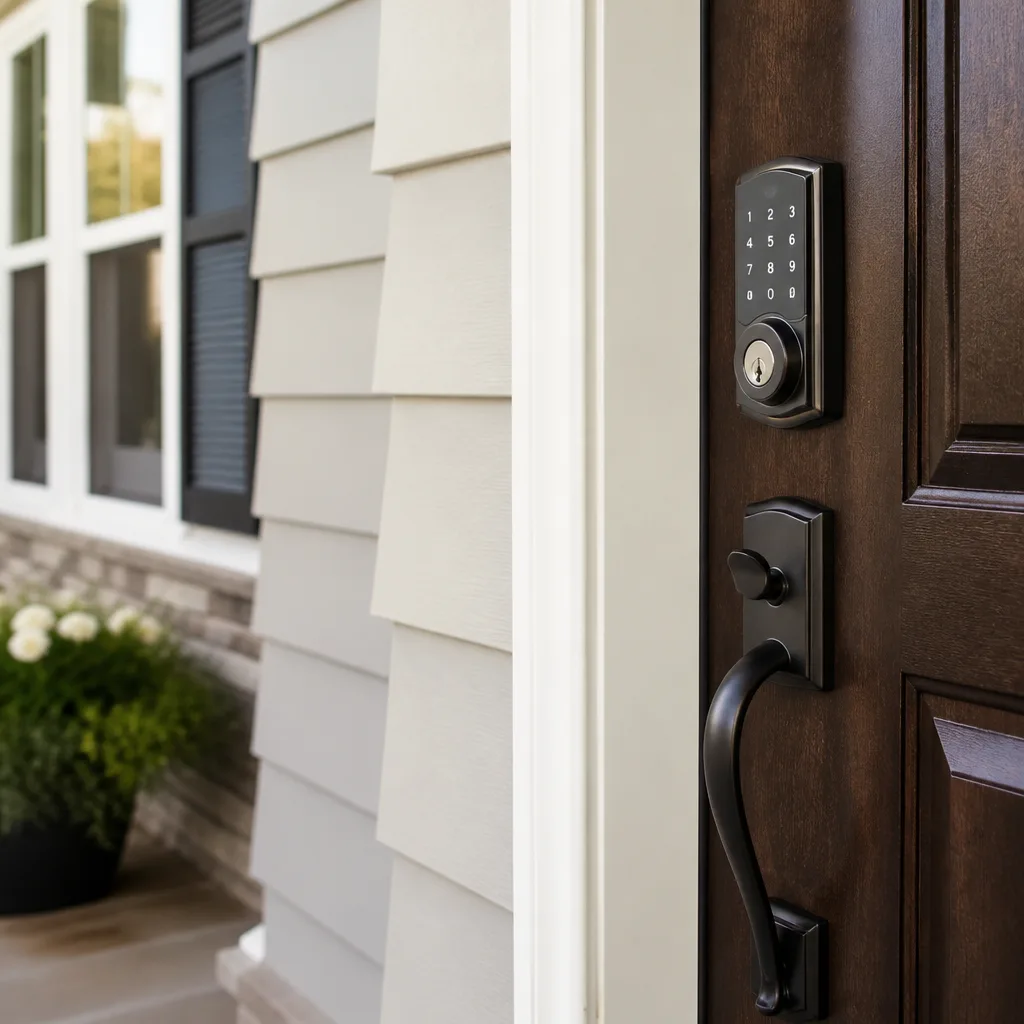 Smart locks
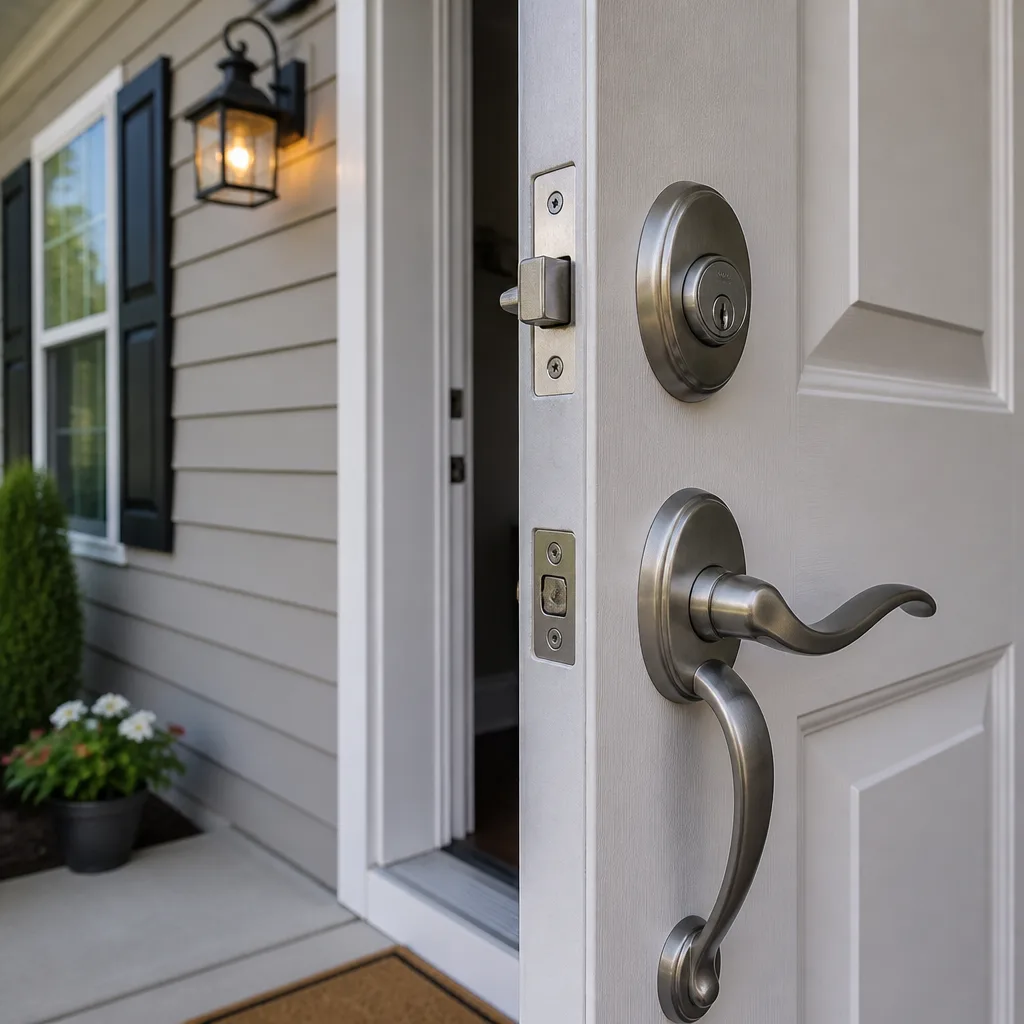 House lockouts
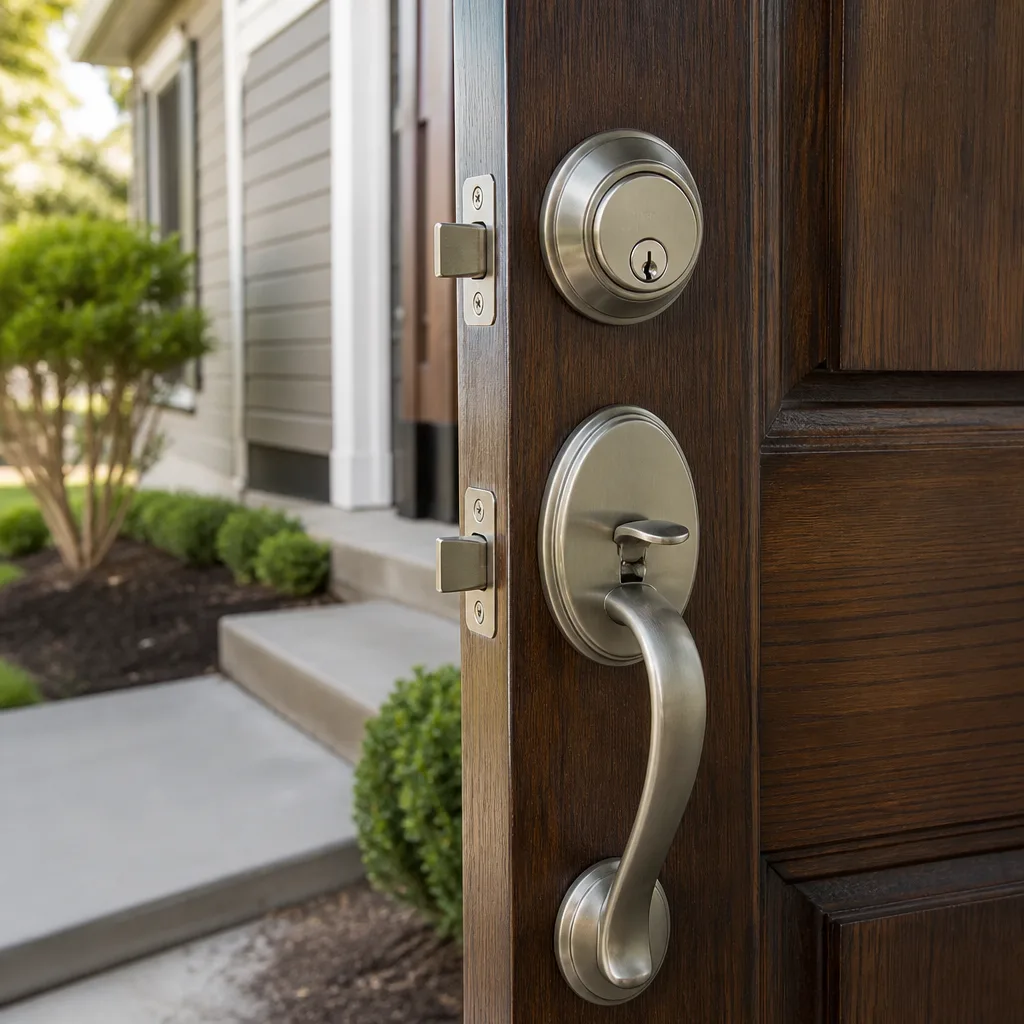 Re-keying
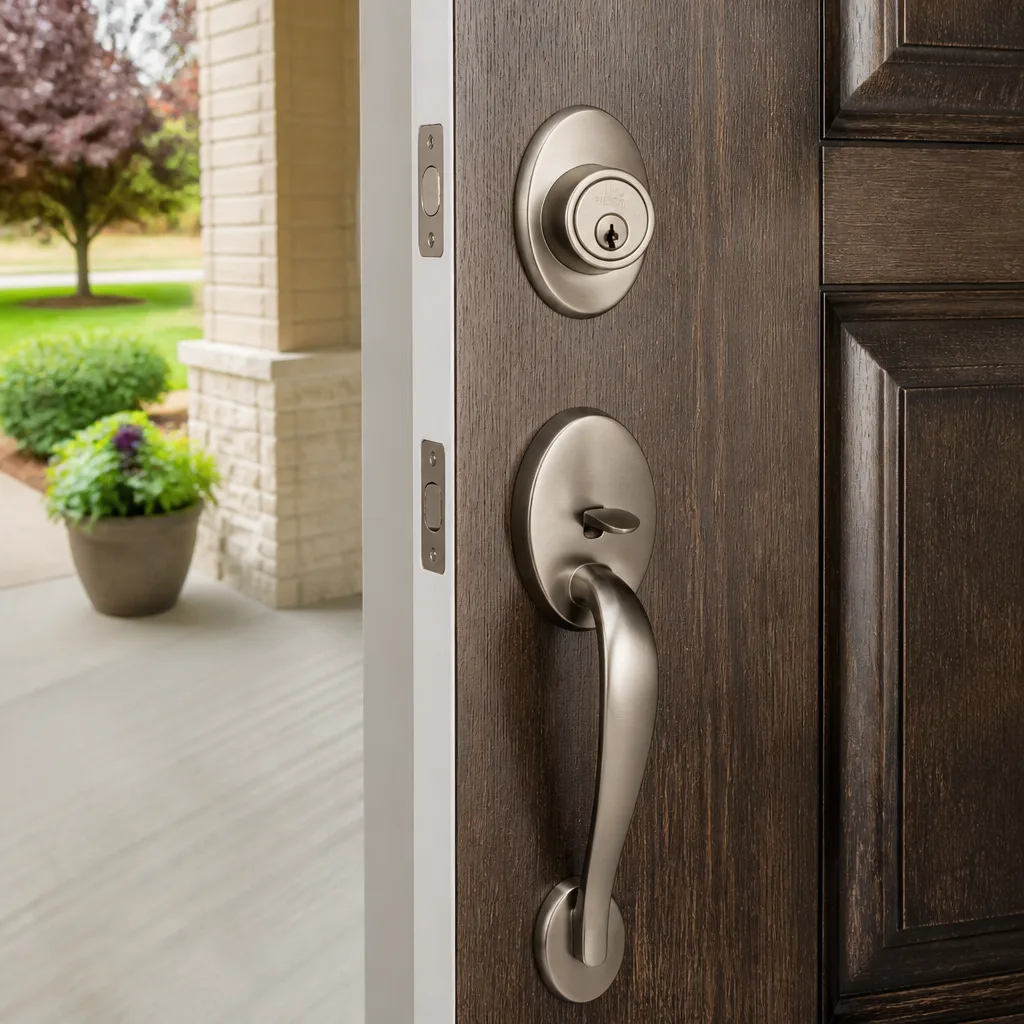 Deadbolt upgrades
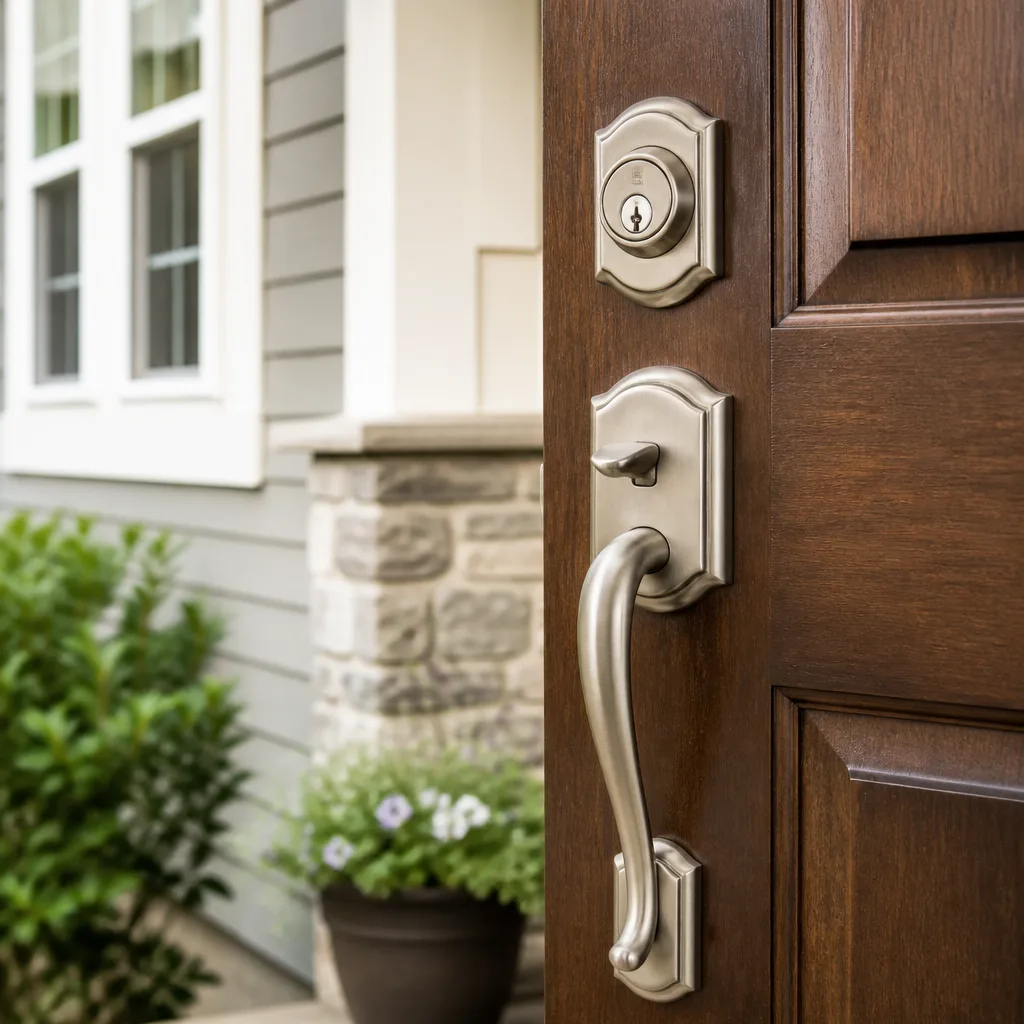 Schlage
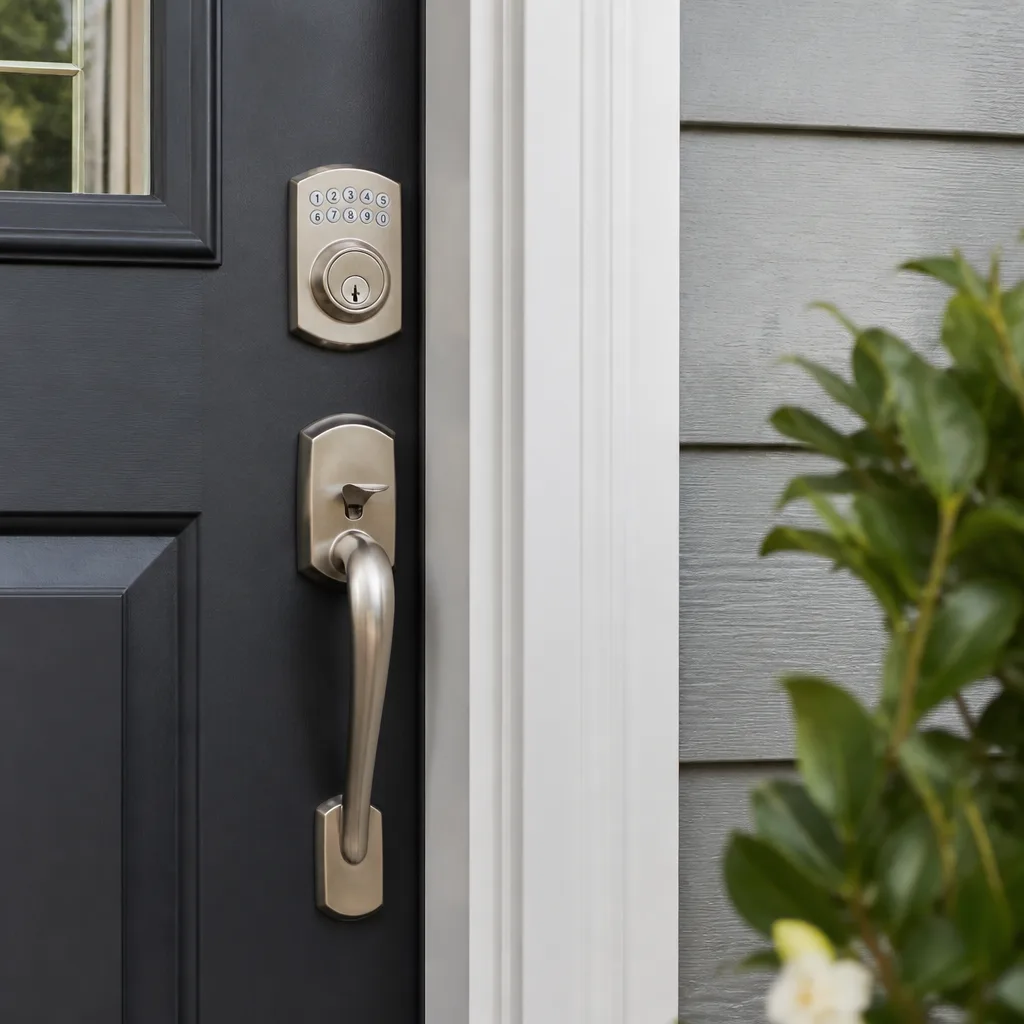 Kwikset
 Car keys & fobs
Non-destructive entry first, always - and we re-key Schlage, Kwikset, and Baldwin locks on the spot while you watch
You get a price before we start. It does not change when we arrive. No surprises.
Get your free estimateLocksmith Emergency Preparedness Guide for Tacoma Homes
Here’s the uncomfortable truth about lockouts and lock failures: they’re not random acts of misfortune. They’re predictable events that happen in predictable categories, and almost every locksmith emergency in Tacoma falls into one of four or five recurring patterns. A snapped key in a Baldwin deadbolt on a January morning. A lost transponder key for a Honda in the Stadium District. A jammed Schlage latch on a rental in Hilltop that leaves a tenant standing in the rain at 10pm. None of these are surprises to us. We see them weekly, and the difference between the households that handle them in 20 minutes and the ones that spend three hours scrambling comes down to one thing: whether anyone took 20 minutes to prepare before the emergency happened. This guide is that 20 minutes. It lays out the exact protocols, documents, and decisions that let a Tacoma household move through a lock or key crisis like it’s a minor scheduling inconvenience rather than a midnight catastrophe.
Styles & brands we work with
Quick Answer
Locksmith emergency preparedness for a Tacoma home means three things: knowing which locks and keys you actually have and documenting them, choosing how you’ll handle a lockout before it happens (saved contact, spare key protocol, building access rules), and having the specific information ready that lets a locksmith quote and respond without wasted time. A household that does these three things has already solved about 80 percent of any lock emergency before it starts.
Table of Contents
- The 20-Minute Household Lock Inventory
- Spare Key Strategy: Where They Go and Where They Don’t
- Vehicle Lockout Prep: The 45-Minute Mistake Most Tacoma Drivers Make
- The Three Pieces of Information That Cut Locksmith Costs
- Tacoma-Specific Considerations: Weather, Rentals, and After-Hours Protocols
- The Emergency Lockout Protocol: A Step-by-Step Flow
- From Emergency to Upgrade: When a Lockout Signals Deeper Security Work
- Common Mistakes to Avoid
- When to Call a Professional
- Frequently Asked Questions
- The Bottom Line
The 20-Minute Household Lock Inventory
If you had to describe your front door lock to a locksmith right now, could you? Could you name the brand, the type (deadbolt, knob, mortise, smart lock), and whether the key says “do not duplicate” on it? Most Tacoma homeowners can’t, and that’s not a personal failing – it’s that locks are the invisible infrastructure of a house. They work until they don’t, and then suddenly the make and model matter. A 20-minute walkthrough changes that. It doesn’t require tools or expertise. It requires a phone camera and a piece of paper.
Here’s the method, step by step:
- Photograph every exterior door lock. Front, back, side, garage entry. Get a close shot of the keyway (the slot where the key goes) and the face of the lock where the brand is usually stamped.
- Write down the brand you see. Tamarack homes from the 1940s often have original Schlage hardware. Newer builds in the North End frequently get Kwikset. Some Tacoma homeowners have upgraded to Baldwin or Yale for aesthetics, and a small but growing number have Medeco or Mul-T-Lock cylinders for security. The brand tells a locksmith what to expect before they arrive.
- Note which locks share a key. Do the front and back door use the same key? Does the garage side door match the front, or is it on a separate key? This matters when you’re rekeying – a locksmith can key everything to a single key if that’s what you want, but only if you can tell them what’s on what.
- Count how many key copies exist and who holds them. One for you, one for your partner, one for a neighbor, one that went to a dog walker three years ago that you forgot about. That last one is a security exposure you don’t know you have.
- Document any key codes. High-security brands like Medeco and Mul-T-Lock stamp card numbers or key codes on the key itself. Those codes are the difference between a straight key duplication and a controlled-order key cut that requires proof of ownership. Photograph them. Store the photos somewhere you can access from a phone that isn’t the one you’ll lose.
- Identify vehicle keys separately. Every car key in the household gets its own photo. Note the transponder type if you know it: basic chip key, fob-with-blade, proximity key, or plain metal key. Older Tacoma vehicles on the road – late-90s and early-2000s Hondas, Toyotas, Fords – often use simple transponder keys that many locksmiths can replace same-day. Newer vehicles increasingly require dealership-level programming, and knowing which category you’re in before an emergency saves a lot of phone calls.
In our experience, the most useful part of this inventory isn’t the lock brands. It’s the copy count. We regularly hear from Tacoma homeowners who discover, during a rekey consultation, that they have no idea how many copies of their house key are floating around – a former roommate, a contractor, a neighbor who moved away and handed the key to someone else. The inventory forces the question. That knowledge alone is sometimes enough to justify a rekey.
Store the inventory digitally. A note on your phone, a Google Doc, a folder in cloud storage. The key is that you can access it from outside your home, because the most likely time you’ll need it is when you can’t get inside.
Spare Key Strategy: Where They Go and Where They Don’t
Every spare key conversation in Tacoma runs into the same tension: convenience versus security. The fake rock. The key under the mat. The magnetic box under the bumper. Everyone knows these are compromised locations. People keep using them anyway because a spare key that’s hard to reach is a spare key that might as well not exist at 11pm. The solution isn’t to eliminate spare keys. It’s to choose their locations deliberately, document them, and accept the tradeoffs consciously.
Start with what works and what doesn’t:
- Fake rocks and false-bottom planters: these are known to every burglar and every locksmith in Pierce County. If you’re using one, you may as well leave a key on the porch with a bow on it. Don’t.
- Under the doormat or inside the mailbox: same category. Predictable, and the first place anyone checks.
- With a trusted neighbor: this is the most classic solution and the most misunderstood. It works as long as the neighbor is actually home when you need them and you’re willing to wake them up. In a Tacoma neighborhood where homes have detached garages and alley access, the neighbor may live two doors down but be unreachable for an hour. And if you’ve never formalized the arrangement, they’re just as likely to say “I think I have a key around here somewhere” and spend 15 minutes looking.
- In a lockbox on the property: a portable key lockbox, clamped to a water line or fence post or gas meter behind the house, is the smartest low-cost option. Use a combination lockbox with hundreds or thousands of possible codes, not a cheap 3-digit one. The lockbox itself should be visible only if you know where to look. Write the combination down somewhere you can access digitally – not on the lockbox itself.
- With a friend or family member in a different Tacoma neighborhood: for households that want physical off-property storage, this is more reliable than a neighbor. The person should live within a reasonable drive. North End to Stadium District is not a bad pairing. Proctor to Lakewood is pushing it for a cold November night.
- In your wallet as a breakaway key: this works only for simple metal keys without transponders. A house key flattened into a credit-card pocket can open a Schlage knob in under a minute. It’s cheap insurance, and it solves the “I locked my keys inside and my phone is in the car” problem that no other spare key protocol addresses.
One more thing on spare keys: if you’ve ever handed a key to a roommate, a partner, a contractor, a house cleaner, a pet sitter, or a landlord’s handyman, that key is now out of your control. You can’t call it back. The only way to revoke access that’s already been handed out is to rekey the lock – which is exactly the service we recommend as a proactive move when a household’s key count gets murky. Rekeying isn’t a hardware replacement. The lock stays. The internal pins change. Old keys stop working. It’s the cheapest meaningful security upgrade a Tacoma homeowner can make in under an hour.
Vehicle Lockout Prep: The 45-Minute Mistake Most Tacoma Drivers Make
Here’s the single most common vehicle lockout mistake we see across Tacoma: a driver locks their keys in the car, calls a roadside assistance line (their insurance, a club membership, a manufacturer hotline), waits 45 to 90 minutes for a subcontracted tow truck to arrive, and then watches the tower spend 15 minutes with a wedge and a long reach tool before giving up because the car has modern lock shielding or the cable latch is buried too deep. The tow driver leaves. The driver now calls a locksmith. Total elapsed time: two hours. The alternative – calling a locksmith first – would have been solved in under an hour in most cases.
That’s not a knock on roadside assistance. Roadside assistance is built for towing, jump-starts, fuel delivery, and tire changes. It happens to include lockouts as a service, but the people dispatched are usually tow operators with a basic wedge-and-rod kit, not automotive locksmiths with specialized key programming and lock-picking equipment. The difference matters with modern cars. A 2018 or newer vehicle from almost any manufacturer has lock systems designed to resist wedge attacks and rod insertion. A locked key fob inside the car can sometimes be retrieved by a tower and sometimes can’t – and if the fob has a dead battery or the car’s electronics have gone to sleep, retrieval alone doesn’t start the engine anyway, because the fob’s proximity signal isn’t being read.
Here’s the prep, and it takes five minutes, not twenty:
- Write down your vehicle’s year, make, model, and VIN. Keep it in your phone and in a physical note in your wallet. The VIN is on your registration, your insurance card, and a sticker inside the driver’s side door jamb (visible through the window, which is relevant). A locksmith can’t cut or program a replacement key without the year, make, model, and ideally the VIN.
- Know whether your car key has a transponder. If your car is from the 1990s or later and the key head is thick with a plastic housing, it almost certainly has a transponder chip. That means replacement requires programming, not just cutting, and you should expect to call a locksmith who does car key replacement rather than a hardware store. Write down which of your vehicles have transponder keys and which don’t.
- Know whether your vehicle’s locksmith service should be your first call. For a lockout, yes, in most cases. For a lost key with no copy, yes – a locksmith can cut and program a new key on-site in many cases. For a situation where the car also needs to be towed (dead battery + lockout, accident + lockout), call the tow service and let them handle both. For a warranty-covered key replacement on a very new car, call the dealership first – they may provide the replacement under warranty, though they’ll often take days longer than a locksmith who can do it same-day.
- Save a locksmith’s number before you need it. This is the whole reason you’re reading this guide. Pick a Tacoma-based locksmith you’ve already vetted – not one of the hundred auto-generated “locksmith near me” results that shows up at midnight with a different name on the side of the van than was on the website. More on that in the emergency protocol section.
- Keep a spare vehicle key somewhere outside the car. A plain non-transponder key can be copied at any hardware store for a few dollars and hidden on the outside of the vehicle with a magnetic box (under the frame, behind the bumper, inside the gas flap – all compromised locations, but better than nothing) or kept in a wallet as a breakaway. A transponder key is harder: a plain copy will open the door but won’t start the engine, which means you’d still need a locksmith to get moving. Some Tacoma drivers keep a plain door-opening copy hidden on the car for lockout scenarios and accept that they’ll need a locksmith if they lose the transponder key entirely.
The point is not to memorize vehicle lockout procedures. The point is to know which category you’re in now, while you’re calm, so that in the moment you don’t have to think. A driver who knows they have a transponder-equipped car and a locksmith’s number saved is a driver who goes from “locked out in the Fred Meyer parking lot in Tacoma” to “back on the road in 45 minutes.”
The Three Pieces of Information That Cut Locksmith Costs
Every time we talk to a Tacoma homeowner who’s just been locked out or broken a key, we ask for the same three things. Every time we get them quickly, the quote is accurate and the job goes smoothly. Every time we don’t, there are follow-up questions, revised estimates, and sometimes a second trip. This is the list, and if you have a lock inventory and a vehicle key sheet from the sections above, you already have it done.
First, year, make, and model for vehicles. A 2008 Ford with a basic transponder key is a straightforward replacement. A 2023 Toyota with a proximity fob and a smart ignition system is a different job entirely – different equipment, different key blank, different programming protocol, different price. When a caller tells us “I need a new car key” without telling us the vehicle, we literally cannot quote accurately. When they tell us the year, make, and model immediately, the price is often set in the first minute of the call. VIN goes one step further – it lets us verify key code data in some cases and confirm the exact trim level, which affects programming. Have the VIN ready.
Second, lock brand and type for residential work. “My front door key won’t turn” tells us almost nothing. “My Schlage deadbolt key won’t turn and the key has ‘SCHLAGE’ stamped on the bow” tells us what parts we’re likely to need. It’s the difference between a 20-minute cylinder extraction and a job where we’re drilling and replacing hardware. Most homeowners can read the brand off their key or off the face of the lock in under ten seconds. A photo helps even more. This is where your household lock inventory pays off – send the photo, and we know before we leave the shop what we’re walking into. This is especially true for high-security brands. A Medeco key stuck in a Medeco cylinder is not a job for a generic technician with a drill. It’s a job for someone who works in those systems regularly.
Third, proof of residency or ownership. This isn’t to waste your time. It’s because a legitimate locksmith will not open a property or cut a key without evidence that the person requesting it has the right to be there. A driver’s license showing the address, a lease agreement, a utility bill, a piece of mail – anything that ties you to the property. If you’re locked out of a rental and your name is on the lease, have the lease on your phone or have the landlord’s number ready. If you’re at a vacation rental in Tacoma, have the booking confirmation. This requirement protects you as much as it protects the locksmith: a technician who doesn’t ask for proof of ownership is a technician who will open a door for anyone. When a caller has these three pieces of information ready, the call is short and the job is efficient. When they don’t, the call is longer, the price is less certain, and everyone’s time gets spent on information gathering instead of lock repair. It’s that simple, and it’s the single biggest lever a Tacoma homeowner can pull to control what they pay for a locksmith call.
Tacoma-Specific Considerations: Weather, Rentals, and After-Hours Protocols
Tacoma has particular conditions that shape lock and key emergencies. They’re not dramatic, but they matter when you’re the person standing in the rain at 10pm trying to figure out who to call. Start with weather, because weather is the most Tacoma-specific problem there is. Cold and wet conditions do two things to locks. They swell wooden door frames, which pushes a door slightly out of alignment and causes deadbolts and latches to bind. And they accelerate corrosion in external lock hardware, especially in neighborhoods close to the water where salt and moisture are constant. The result is a predictable seasonal pattern: more jamming and stuck-lock calls from October through March, and more no-turn keys on older hardware. A lock that’s been getting stiff for weeks won’t loosen up on its own. If your deadbolt is starting to need jiggle-and-pray to throw the bolt, getting it serviced in September is a smarter move than waiting for a January lockout.
Then there’s the rental and multi-family piece, and here Tacoma is distinctive. Hilltop, Stadium District, and the North End have thousands of rental units – apartments, converted houses, accessory units. Many of them are managed by management companies with after-hours lockout protocols, which is fine if you know what the protocol is and disastrous if you don’t. A renter who calls a locksmith directly and gets a door opened may discover afterward that the management company charges a fine for unauthorized lock changes, or that the locksmith’s work voided a lock warranty, or that the building has a master key system and the lock should never have been touched by an outside technician. Before you rent a unit, ask the landlord or property manager: if you’re locked out after business hours, who do you call? Is there a building-wide master key? Is there a lockout fee? What’s the after-hours phone number? Write those answers down. This is a five-minute conversation that turns a future midnight emergency into a problem with a pre-existing solution.
Vacation rentals are their own category, and Tacoma has a growing number of them. If you’re staying in an Airbnb or VRBO in the North End and the lockbox code fails or the smart lock battery dies, you’re in a bind that most general locksmith advice doesn’t cover: you don’t own the property, you can’t authorize lock changes, and the host may be unreachable. The prep is simple and should be done before check-in: save the host’s phone number and the platform’s support number. Know whether the property has a physical key backup or relies entirely on a smart lock or keypad. If you’re locked out, try the host first, then the platform support line, and only then a locksmith – because the locksmith will need host authorization to touch the lock, and you’ll want the host on the line when you call. We’ve opened vacation rental doors in Tacoma where the host, reached by phone, simply texted us a one-time code to a backup real estate lockbox. The job took five minutes. But it took five minutes because the guest had the host’s number.
One more Tacoma note: construction is constant here, and so are open houses, contractor visits, and staging companies with their own lockboxes. If you’re selling a home or having renovation work done, inventory the lockboxes just like you inventoried your keys. A staging company that leaves a lockbox on the front door after a showing is a lockbox that anyone with a hammer and a minute can attempt to pry. A contractor who got a key for the month of June is a contractor who still works in the neighborhood in September. After every real estate transaction, rekey. After every renovation, rekey. This is standard practice for a reason, and in Tacoma’s active market it’s not paranoia – it’s the same logic as changing your locks when you buy a house, applied to the smaller events where keys changed hands.
The Emergency Lockout Protocol: A Step-by-Step Flow
Lockout situations are when the prepared household moves and the unprepared household spins. Here’s the flow that gets a Tacoma household back inside (or back in the car) with minimum lost time and minimum poor decisions. Print this, save it, whatever you need to do so it’s findable from a borrowed phone.
- Stop and assess the situation. Is it a home lockout, a car lockout, or a broken key situation? Are you in a safe location? If it’s late, is there a nearby business that’s open where you can wait? The first minute of a lockout is for safety assessment, not panic. If you’re locked out of your car in a Tacoma parking garage at night and it’s not well-lit, walk to a safer location before calling anyone.
- Check your protocols. If you’ve done the prep from this guide, you already know: your spare key is with [specific person or lockbox], your landlord’s after-hours number is [number], your locksmith is [name and number]. If you have a spare key option, use it before calling anyone. If you’re calling a landlord or rental manager, call them before the locksmith if that’s the established protocol.
- Gather your information. For a car: year, make, model, VIN, and whether you have a transponder key or fob. For a house: lock brand, type, address, and proof of residency. If you don’t have this information from memory, the cloud-stored inventory from earlier in this guide is now doing its job.
- Call the locksmith. If you’re going to call one, call a real local one with a real address and a real name, not a 1-800 number that routes to a national call center and dispatches a subcontractor with a 100 percent markup. State the situation clearly: “I’m locked out of my house in the [neighborhood]. The lock is a Schlage deadbolt. My name is [name]. I have my driver’s license with the address on it.” Then ask for the total price, quoted on the phone, before dispatch. A legitimate locksmith will give you a range and a precise arrival estimate.
- Stay available. Don’t wander off. Don’t put your phone on silent. The locksmith will call when they’re close, and if you’re not there, they leave and the clock keeps running.
- Ask for the work in writing. After the job is done, get an itemized receipt. It’s your record for insurance, for your landlord, and for the next time you need service.
When we respond to a emergency locksmith call in Tacoma, the calls that go fastest are the ones where the person on the line says “year, make, model” within ten seconds and already knows their lock brand. The calls that go slowest are the ones where we’re trying to figure out which car in the household is the locked one. Ten minutes of prep eliminates 80 percent of the friction.
From Emergency to Upgrade: When a Lockout Signals Deeper Security Work
Sometimes a lockout or a broken key is a signal, not a one-off event. If you’re reading this after an emergency, rather than before one, you might be noticing things about your locks you’d never thought about. A key that snapped because the cylinder was worn and dirty. A deadbolt that’s been stiff for months and finally bound. A collection of four different keys for four different doors because the previous homeowner never got around to keying alike. These aren’t just annoyances. They’re the condition of your home’s security. The good news is that most of them are fixable in under an hour by a locksmith who’s already at the property.
The three most common upgrades we recommend when we’re on a Tacoma service call and the customer asks “while you’re here, what should I be thinking about”: first, rekey everything if there’s any key history you can’t account for. Second, key everything to a single key if you’re currently managing multiple keys for multiple doors – it’s a quality-of-life change that also means one key is the only key you need to keep track of. Third, if the property is high-value or you’re someone who already thinks about security in layers, consider moving the entry points to a high-security cylinder. We work in the brands you researched: Medeco, Mul-T-Lock, and Abloy all put the key blank and the cylinder under patent control, which means key copies require authorization and can’t be made at the hardware store down the street. That’s the real difference between a standard Schlage or Kwikset and a high-security system: not the toughness of the metal, but the control over who can duplicate your keys. If you’ve ever handed a house key to someone and never gotten it back, you’ve felt the uncertainty a high-security system eliminates.
We mention this not because every Tacoma home needs a Medeco cylinder (it doesn’t), but because the lockout you just went through is the only moment when lock security is top of mind. By next week, you’ll have stopped thinking about it. If there’s a change you’ve been putting off, the window is now. And if nothing else, a rekey after a lockout or a key-loss event is the baseline move. It’s not expensive, it’s fast, and it permanently solves the “who has my key” question.
Common Mistakes to Avoid
- Hiding a spare key in a predictable location. Fake rock, under the mat, in the mailbox, under a planter. Every burglar in Pierce County knows these locations, and so does every locksmith. If you’re going to hide a key, use a combination lockbox in a non-obvious spot or give it to a person you trust.
- Calling roadside assistance before a locksmith for a vehicle lockout. Roadside assistance dispatches tow operators, not locksmiths. For modern vehicles with anti-wedge shielding and transponder keys, a tow operator’s wedge-and-rod approach fails remarkably often. Call a locksmith who does automotive work directly. For car key replacement and lockout service in Tacoma, that’s us.
- Waiting until a lock fails to address it. A stiff deadbolt, a key that needs jiggling, a latch that doesn’t fully extend – these are early warnings, not personality quirks of old hardware. In Tacoma’s wet winters, they get worse fast. Service them before they strand you.
- Not rekeying after key handoffs. Roommates, partners, contractors, cleaners, pet sitters, the previous owner six years ago. Every one of those keys is out of your control. Rekey when the key count gets fuzzy. It’s a 30-minute job that erases the uncertainty.
- Calling the first “locksmith near me” result at 11pm. Many of those results are national lead-generation operations that sell your call to the closest subcontractor and add a big markup. A Tacoma homeowner who saved a real local locksmith’s number six months ago doesn’t have this problem. That’s the whole point of this guide.
- Not knowing your lock brand. If you can’t tell us whether it’s Schlage, Kwikset, or something else, we can’t tell you whether your key problem is a five-minute fix or a hardware replacement. Read the stamp on the lock face or the key. Write it down. Photograph it.
- Assuming a tenant can call any locksmith. In managed buildings, unauthorized lock changes can violate the lease and trigger fines. Renters should know their building’s after-hours protocol and whether they’re allowed to call an outside locksmith at all.
When to Call a Professional
Some situations genuinely require a trained locksmith, and trying to handle them yourself is how small problems become expensive ones. A key broken off in a cylinder, especially in a high-security lock, is a professional job – extraction requires tools and precision, and a botched DIY attempt can permanently damage the lock and force a full hardware replacement. Any lockout involving a transponder key or a programmed fob is a professional job, because opening the door is only half the problem; getting the car to start requires key programming equipment. A door that won’t open because the deadbolt has bound or the frame has shifted is a hardware diagnosis problem, not a muscle problem – forcing it risks breaking the key off, damaging the cylinder, or framing the door. If you’re in any of these situations, or if you’re in a lockout right now and you’ve finished reading this guide and realized you should have done the prep two weeks ago: Lodestar Locksmith offers free estimates in Tacoma – call (855) 382-0943. We’ll ask for the information from the inventory section, give you a straight answer, and if you need us on-site, we’ll quote the full price before anyone is dispatched. That price is the price on the invoice. No dispatch fee surprises, no “additional labor” line items added on arrival.
Frequently Asked Questions
Emergency locksmith pricing in Tacoma depends on three things: what kind of lock or key is involved (vehicles cost more than simple residential entry locks because of key programming), what time it is (after-hours calls carry higher labor rates), and what work is actually required (unlocking a door is less than cutting and programming a new car key). The single biggest variable in most Tacoma jobs is whether the vehicle key has a transponder, and the second biggest is whether the lock is a standard brand or a high-security system that requires specialized blanks. The way to get an accurate price is simple: call (855) 382-0943 and have your lock brand or vehicle year and make ready. We’ll quote the full price on the phone before anyone is dispatched. That quote is the price on the invoice. No surprises.
Yes. We quote the full price on the phone before anyone is dispatched, and that quote is the price on the invoice. The locksmith trade has a well-documented problem with bait pricing – a low teaser number that becomes a much larger bill after the work is done. We don’t operate that way. If you call us with the three pieces of information from the prep section (lock type or vehicle make/model, location, and proof of ownership), we can give you a confident quote in the first minute of the call. The only time a quote changes is if the information you gave us was wrong – which is exactly why the prep section exists. Call (855) 382-0943 for a free estimate and a straight answer.
It depends on where you are in Tacoma and what time it is, but here’s the honest picture: a Tacoma-based locksmith is already in the city, which means response times are measured in minutes, not hours. A national call center that dispatches a subcontractor from outside the area may arrive much later. This is the single biggest reason to have a local locksmith’s number saved before an emergency. We don’t promise a response time we can’t hit, but we will tell you, on the phone, at the moment you call, how long we’ll take to reach you. Call (855) 382-0943 and ask.
We’re licensed, insured, and bonded, and we’ll show you proof of all of it before we touch your lock or key. A legitimate locksmith is glad to answer the licensing question; a sketchy one gets evasive. This is also why we ask for proof of residency or ownership before opening a property or cutting a key – a real locksmith won’t open a door for someone who can’t demonstrate they have a right to be there. That question goes both ways, and we appreciate homeowners who ask it of us.
If your lease specifies an after-hours lockout protocol, follow it – landlord or property manager first. If your building is independently managed with no after-hours support, or if your landlord lives out of state, a locksmith is your fastest option, but you’ll need to have your lease or proof of residency ready to show when the technician arrives. If you’re in a vacation rental, try the host first, then the platform support line, and then call a locksmith with the host on the line for authorization, if the host is reachable. Most vacation rental lockouts in Tacoma are resolved fastest when the guest has the host’s number saved.
Yes, if the locksmith is set up for it – and most aren’t. Medeco and Mul-T-Lock systems use patented key blanks and restricted keyways, which means a locksmith needs authorization from the lock’s dealer network to get blanks and cut new keys. Many Tacoma locksmiths don’t work in these systems at all. We do. Schlage, Kwikset, Yale, Baldwin, Medeco, Mul-T-Lock, Sargent, and Abloy – we work in all eight brands, which means if your Tacoma home or business has high-security hardware, we’re one of the few local operations that can service it without referring you to a specialist out of the area. If you have a Medeco or Mul-T-Lock key that’s worn, stuck, or lost, call (855) 382-0943 and ask how we handle it.
The Bottom Line
A locksmith emergency in Tacoma is a solvable problem with a known shape, and the only real variable is how much time and money you spend before you find the solution. That variable is in your control. Take the 20-minute inventory, set up a spare key protocol you’ll actually use, write down your vehicle key type, save a real local locksmith’s number,