
Last updated October 31, 2026
 House lockouts
 Re-keying
 Deadbolt upgrades
 Smart locks
 Schlage
 Kwikset
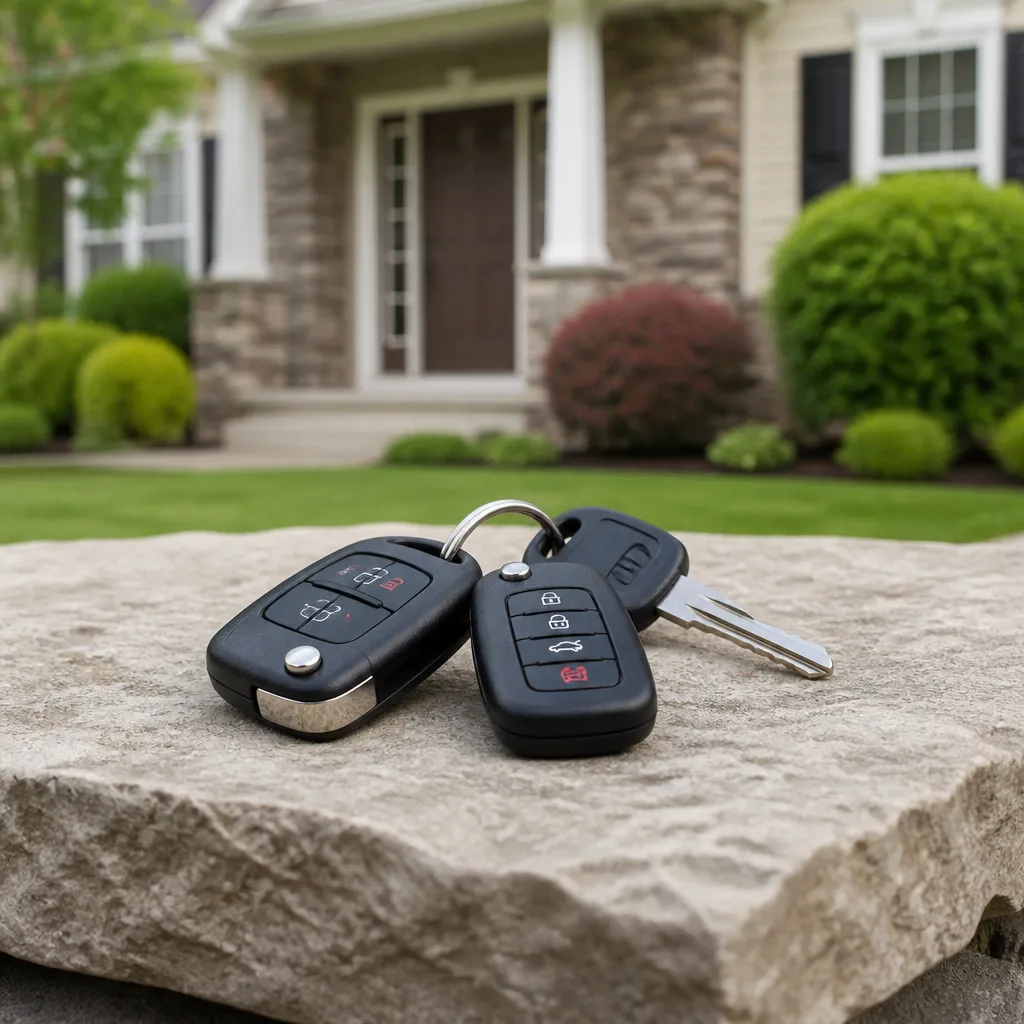 Car keys & fobs
Non-destructive entry first, always - and we re-key Schlage, Kwikset, and Baldwin locks on the spot while you watch
You get a price before we start. It does not change when we arrive. No surprises.
Get your free estimateCar Key Replacement Troubleshooting: Common Problems and How to Fix Them
Most car key replacements fail for reasons that have nothing to do with the key itself. In our Tacoma shop, we see this pattern weekly: a customer returns from a dealer or another locksmith with a brand-new key that unlocks the doors perfectly but won’t start the engine, and they’ve already been told the key needs “reprogramming” again for another fee. Before you spend a second dime on re-cutting or reprogramming, understand that the key blade and the transponder chip are only two components in a chain that includes the ignition cylinder, the transponder antenna ring, the immobilizer module, and the vehicle’s battery. This guide walks through each failure mode, how to diagnose it, and when the problem is genuinely the key versus when it’s the car telling you something upstream is wrong. For a deeper dive, see The Complete Car Key Replacement Guide for Tacoma Homeowners.
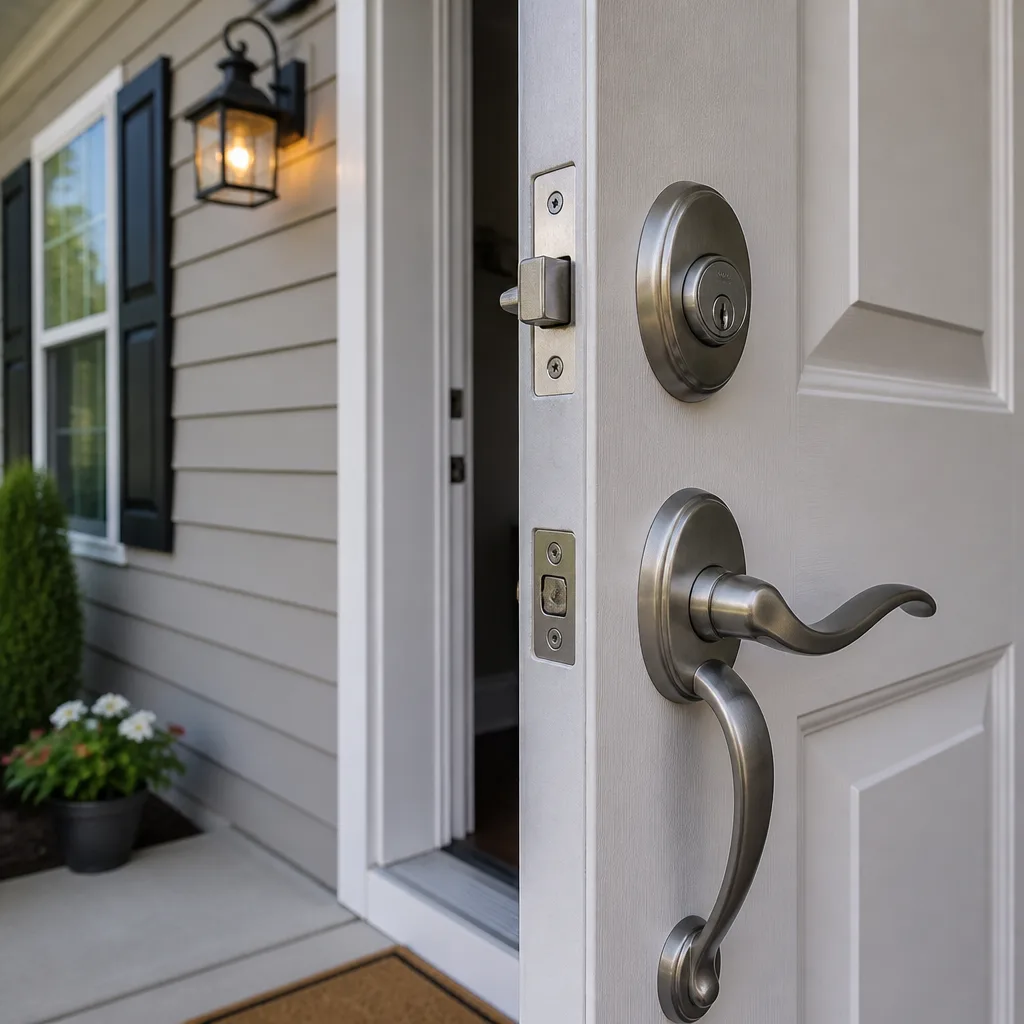
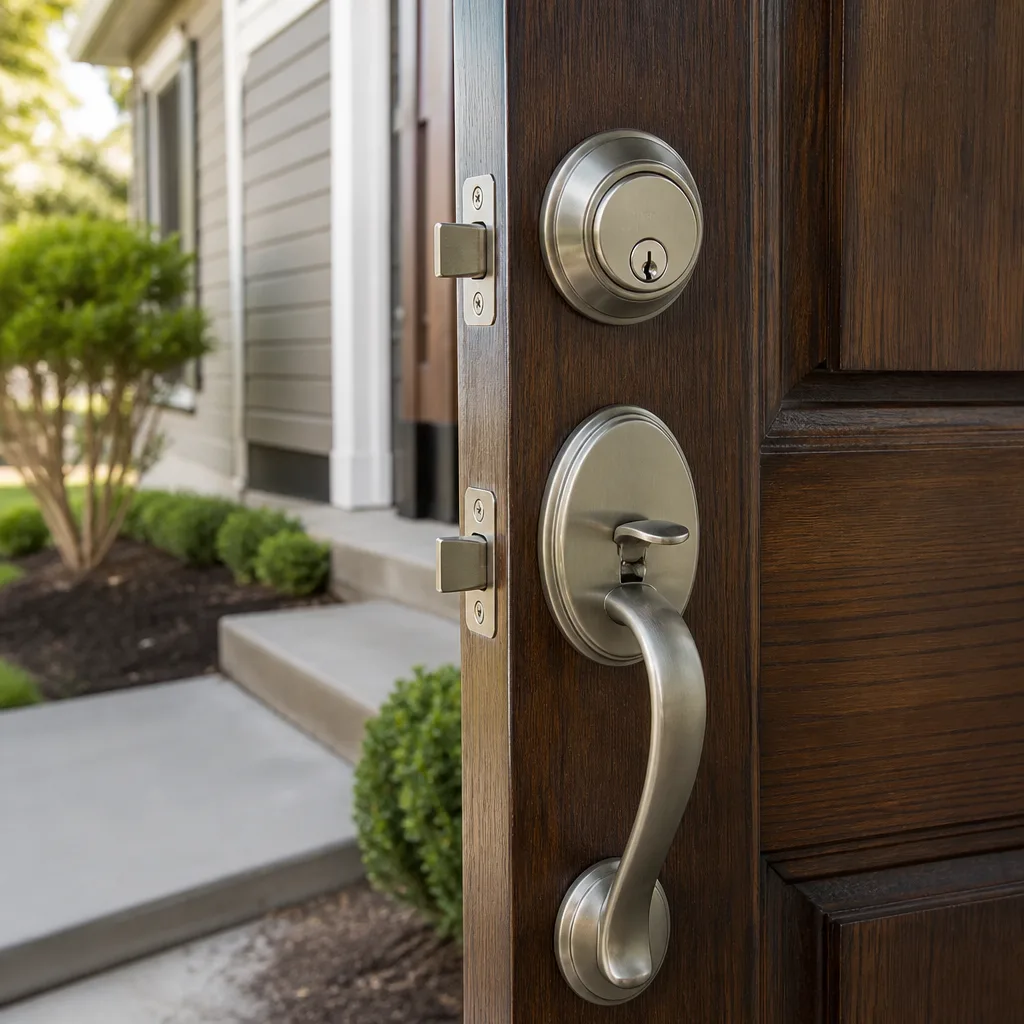
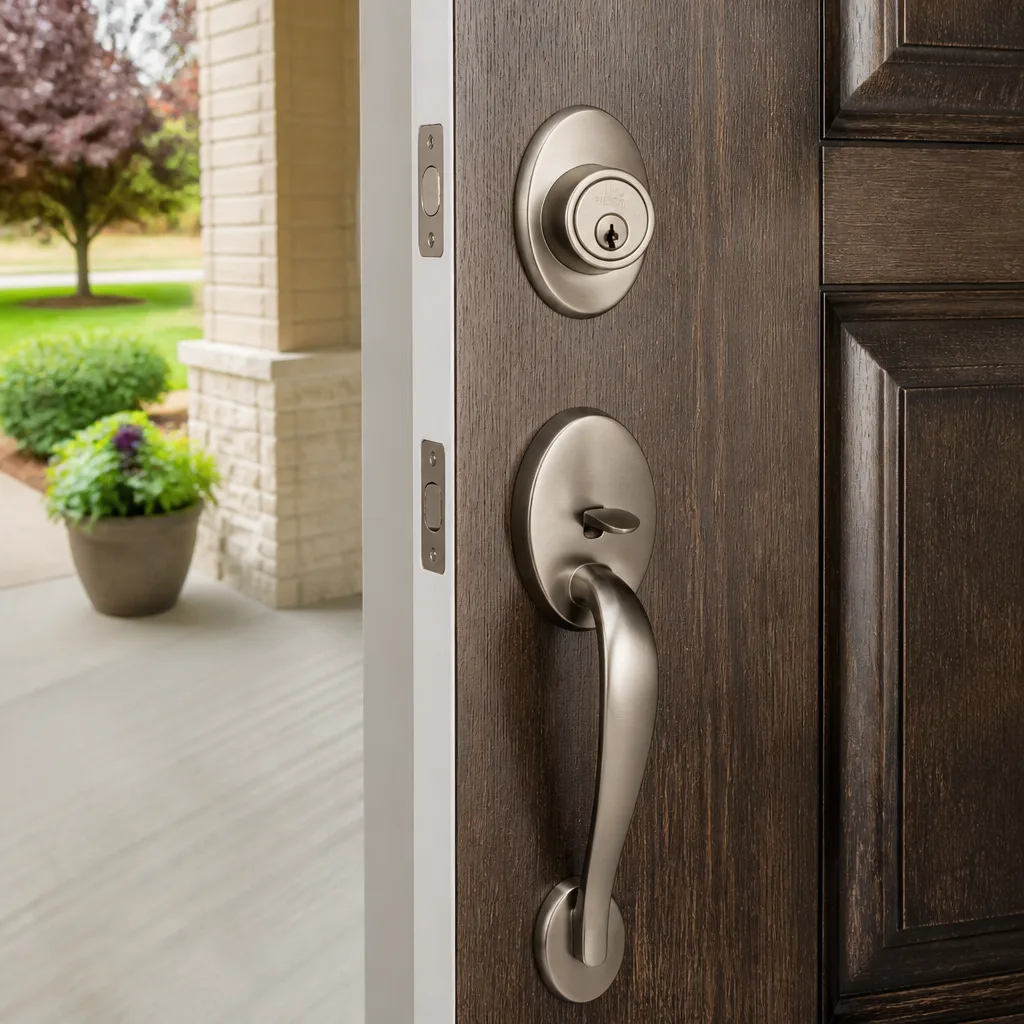
Styles & brands we work with
Quick Answer
If your newly cut car key turns in the ignition but the engine won’t start, the problem is rarely the key blade itself. The most common culprits are a transponder chip that was never programmed to your vehicle’s immobilizer, a failing transponder antenna ring around the ignition cylinder, low vehicle battery voltage, or a worn ignition cylinder. Diagnosing which component is at fault before paying for another replacement is the single most effective way to stop paying for the same fix twice.
Table of Contents
- Key Won’t Turn in the Ignition
- Key Turns But Engine Won’t Start
- Fob Buttons Unresponsive or Intermittent
- Intermittent Recognition of Your Key
- The Overlooked Role of Battery Voltage
- Why Some Programming Fails Within Weeks
- When the Ignition Cylinder Is the Real Problem
- Common Mistakes to Avoid
- When to Call a Professional
- Frequently Asked Questions
- The Bottom Line
Key Won’t Turn in the Ignition
This is the first and most obvious failure category, and it’s the one most likely to send a Tacoma driver back to the shop demanding a refund on a “defective” key. But a blade that won’t turn is almost never a blade problem. The ignition lock cylinder in most vehicles is a mechanical assembly of spring-loaded wafers that wear down over years of use. When you insert a brand-new key with sharp, unworn cuts, those cuts interact with worn wafers differently than the original key did, and the cylinder may bind.
Here’s a diagnostic sequence that takes under two minutes and tells you where the actual fault lies:
- Try the original key. If the original key still turns smoothly, the new blade’s cuts are likely off by a few thousandths of an inch. This is a cutting quality problem, not a programming problem, and a competent locksmith can re-cut or re-broach the blade.
- If the original key also binds or feels gritty, the ignition cylinder is worn. The original key and cylinder have worn in together over time; a new key disrupts that equilibrium. This is an ignition cylinder issue, not a key issue.
- Check the steering wheel position. If you’ve parked with the front wheels turned hard against the curb, the steering lock can apply pressure to the ignition cylinder and simulate a key that won’t turn. Wiggle the steering wheel left and right while gently turning the key.
- Check for debris in the keyway. Tacoma winters bring road grit, and a small piece of sand or metal shaving in the ignition cylinder can block the new key from fully seating. A locksmith can extract debris and inspect the cylinder in minutes.
In Tacoma neighborhoods like North End and Proctor District, where older vehicles are common and parking is often on a slope with the steering wheel cranked, the steering-lock binding scenario is so frequent that we always ask about it before scheduling an ignition cylinder replacement. It’s free to check and takes five seconds.
Key Turns But Engine Won’t Start
This is the most misdiagnosed car key failure category in the industry. The key turns, the dashboard lights come on, but the engine won’t crank or cranks without firing. Most people assume the new key wasn’t programmed correctly. In many cases, they’re right, but the programming failure can occur at several different levels, and understanding which one applies saves you from paying for a fix that misses the point.
When we cut and program a transponder key at Lodestar Locksmith, the chip inside the key head must be introduced to the vehicle’s immobilizer system. That system has three components: the transponder chip in the key, the antenna ring around the ignition cylinder, and the immobilizer module that reads the antenna and decides whether to authorize a start. A failure at any one of these three points produces the same symptom: key turns, no start.
Here’s how to distinguish which component failed:
- Security light flashing on the dashboard. If you see a car-with-a-lock or key symbol flashing rapidly, the immobilizer has actively rejected the key. This points to a programming issue or a dead transponder chip. If the vehicle was programmed via a cheap OBD cloning device, the chip may have been cloned from a key that was itself near the end of its functional life, and the clone inherits the weakness.
- Security light stays solid or doesn’t illuminate. A solid security light can mean the antenna ring has failed and the immobilizer can’t read the key at all. This is an upstream problem: no key replacement will fix it. The antenna ring around the ignition cylinder is a coil of wire that produces the electromagnetic field the transponder chip needs to wake up and respond. When it fails, every key looks dead, including the original.
- Engine cranks but won’t fire. This is often a fuel or spark issue, but in vehicles where the immobilizer controls the fuel pump relay or the starter circuit, a key that passed the initial handshake can still kill the start. Some vehicles require a re-sync between the immobilizer module and the engine control unit after key replacement; a locksmith who doesn’t complete this step can send you home with a key that starts the car once and never again.
One client in Tacoma’s Stadium District brought in a 2014 Honda after two failed dealer visits. The dealer had cut two keys, both of which unlocked the doors but wouldn’t start the engine. The security light was blinking during crank attempts, which the dealer interpreted as “your car needs a new ECU.” The actual problem was a failing antenna ring with an intermittent connection that happened to work when the dealer tested the original key in the service bay. A $140 antenna ring from a salvage yard fixed what two new keys and a diagnostic bill could not. The key was never the problem.
Fob Buttons Unresponsive or Intermittent
Remote keyless entry and keyless start fobs are two different systems, and they fail in different ways. When the physical key turns the ignition but the fob buttons don’t unlock the doors, you’re dealing with a remote transmitter issue, not a transponder chip issue. The transponder chip in most keys is a passive RFID device that doesn’t need a battery to work; the remote control functions absolutely do.
Diagnostic order matters here, and it’s the reverse of what most people do:
- Replace the fob battery first. A CR2032 costs about $3 and takes two minutes to swap. Low fob battery voltage causes reduced transmitter range, intermittent button response, and eventually complete failure. This mimics a dead fob and gets misdiagnosed constantly.
- Test all buttons, not just the one you use most. If the lock button works but the unlock button doesn’t, the issue is the physical contact pad inside the fob wearing out, not the battery or the programming. Key fobs are mechanical devices too, and the domed metal contacts under the rubber buttons crack after years of flexing.
- Check for RF interference in your area. Certain frequencies used by commercial equipment, alarm systems, and even LED lighting can interfere with 315 MHz or 433 MHz key fobs. If the fob works at home but not at your workplace, note it, because that’s an environmental issue, not a fob failure.
- Try the second fob. If both original fobs fail at the same time and the vehicle has a receiver under the dashboard, the car’s remote receiver module may have failed. This is an upstream component, and replacing fobs won’t fix it.
- Cracked antenna ring. The transponder antenna ring around the ignition cylinder is usually plastic with a thin embedded coil. Over thousands of heat cycles, the plastic cracks and the coil’s solder joints expand and contract. When the interior is cold, the connection may open enough to fail. When the car warms up, metal expands and the connection re-makes. Tacoma’s damp winter mornings followed by warm afternoon sun create exactly these thermal cycles.
- Immobilizer module cold solder joints. On vehicles where the immobilizer is housed in the instrument cluster or a separate module under the dash, the printed circuit board can develop microscopic cracks in the solder where the main connector attaches. This produces exactly the same intermittent no-start as a bad key, and it is never fixed by replacing the key.
- Low vehicle battery voltage during cranking. The immobilizer handshake happens in milliseconds during engine cranking. When the starter motor pulls the battery voltage down below about 10.5 volts, the immobilizer may brown out and fail to complete the authentication, even though the key is perfectly good and the car cranks normally. This is one of the most overlooked causes of intermittent no-start and it gets blamed on “a bad key” constantly.
- Load-test the vehicle battery. A free battery test at any auto parts store will tell you if the battery is marginal. This is a five-minute check that eliminates the most common root cause before any key work is done.
- Check the fob battery voltage. A CR2032 battery fresh from the package should read over 3.0 volts. A reading of 2.8 or below is technically “working” but will produce intermittent remote range problems. We replace fob batteries in bulk and measure every one before installation for exactly this reason.
- Check the alternator output. If the alternator is failing, the vehicle battery may test fine at rest but be chronically undercharged. This produces a slow death spiral of electrical gremlins that includes intermittent key recognition.
- Fixed-code systems (cloneable): Many pre-2010 domestic and Asian vehicles. A cloned key will function exactly like the original indefinitely. Cloning is legitimate for these vehicles.
- Rolling-code systems (not cloneable): Most European vehicles, many 2010+ domestic and Asian vehicles. A cloned key on a rolling-code system will either fail immediately or fail within a few start cycles. The proper fix is to program a new encrypted chip through the vehicle’s secure learn procedure using manufacturer-specific software, not to clone the old one.
- Insert the original key and try to turn it. If the original key also turns hard, binds at specific positions, or feels loose and sloppy when turned, the cylinder wafers are worn and the original key was masking the wear by being worn in the same pattern.
- Try the new key and note where it binds. A new key with fresh cuts may bind at a different point in the rotation than the original key, which is why a new key often fails to turn even though the locksmith’s cutting was technically correct. The cylinder has worn to match the old key, and the new key violates that worn-in pattern.
- Check for looseness in the cylinder housing. With the key in the ignition and the car in Park, wiggle the key side to side. A small amount of play is normal. A quarter-inch of movement that makes the steering column cover shift is not; that means the cylinder housing or the ignition switch mounting is worn, and the problem is mechanical, not electronic.
- Replacing the key before diagnosing the car. A new key is a component replacement, not a diagnosis. If the antenna ring is dead, the immobilizer module is failing, or the battery is marginal, a new key won’t change the no-start condition. Check the upstream components before buying another key.
- Paying for “reprogramming” on a key that was never programmed correctly in the first place. Reprogramming a properly cut and chipped key to the same vehicle should take minutes. If someone charges you to “reprogram” a key they just sold you, ask what changed between the first programming and the second one.
- Using a cheap OBD cloning device on a rolling-code vehicle. If your vehicle uses encrypted immobilizer chips, cloning will fail either immediately or within a few start cycles. The proper procedure is a secure learn through manufacturer-specific software, and no amount of cloning will substitute for it.
- Ignoring the dashboard security light. The security light is a diagnostic display, not a decoration. A flashing security light means the immobilizer actively rejected the key; a solid light means the immobilizer couldn’t read the key; no light means the immobilizer doesn’t know you’re there. Each pattern points to a different component, and a locksmith who reads these patterns can skip the guesswork.
- Replacing fob batteries with expired or mismatched cells. CR2032 batteries have a shelf life, and a battery that’s been in a drawer for five years may read under 3.0 volts straight out of the package. Using a cheap off-brand cell can also cause the fob to draw more current than the battery can deliver, producing erratic behavior that looks like a fob failure.
- Assuming a new key from a dealer is automatically correct. Dealerships are not locksmiths. They replace parts according to a service manual, and their key-cutting equipment is often calibrated for production tolerances, not for worn cylinders. A dealer-cut key on a worn cylinder may bind where a locksmith-cut key with small adjustments would turn freely. The difference is that a locksmith adjusts for the vehicle; a dealer adjusts for the manual.
- Living with an intermittent no-start because it “usually works.” Intermittent failures don’t heal. A cracked antenna ring or a failing immobilizer module will eventually strand you somewhere, and the repair will cost more because you’ll be paying for emergency service instead of scheduled work. If your key works most of the time but not all of the time, diagnose it now before the next cold Tacoma morning.
In our experience across Tacoma’s automotive fleet, the fob battery is the single most common cause of “my remote stopped working” calls. We recommend checking the simplest, cheapest possibility before spending money on a replacement fob, because the math is brutal: a $3 battery versus a $250+ fob plus programming.
Intermittent Recognition of Your Key
Intermittent recognition is the most frustrating failure mode because it defies reproduction in a shop. The key starts the car in the morning, fails at noon, works again at 6 p.m. This pattern creates a specific type of caller in Tacoma: someone who has already paid for two key replacements and is now convinced their car is “haunted.” It isn’t haunted. It has a component that’s failing on a temperature, vibration, or time-based curve.
Here are the three most common causes of intermittent key recognition, in order of frequency:
If your key works sometimes and fails other times, do not buy another key until someone has checked the antenna ring, the immobilizer module connections, and the battery voltage under load. A locksmith with diagnostic equipment can observe the immobilizer’s live data stream and catch the failure in real time, but only if they’re looking for it. Most quick key-cutting shops don’t have this equipment, and they’ll happily sell you another key that won’t fix the problem any more than the last one did.
The Overlooked Role of Battery Voltage
Low vehicle battery voltage is the great impersonator in car key diagnostics. It mimics a failed transponder, a failed antenna ring, and a broken ignition switch, because the immobilizer system is one of the first systems to drop out when the battery is weak. Modern vehicles have dozens of electronic control units, and the immobilizer’s job is to authorize a start, not to keep the car running, so manufacturers design it with a low voltage tolerance that’s narrow on purpose. A battery that’s measuring 12.2 volts at rest may still drop to 10.2 volts during cranking, and that’s enough to kill the immobilizer handshake.
The diagnostic order that actually saves money looks like this:
In our Tacoma service area, cold mornings in January and February push marginal batteries over the edge. The first cold snap reliably generates a wave of “my key won’t start my car” calls that turn out to be three-year-old batteries that were already on borrowed time. The key was fine. The battery wasn’t.
Why Some Programming Fails Within Weeks
There’s a specific failure pattern that comes from keys programmed through cheap OBD cloning devices rather than manufacturer-specific diagnostic software. The key passes initial testing, the customer drives away happy, and then two weeks later the key stops starting the car. The customer goes back, gets a replacement key under warranty, and the same thing happens again. This is not a coincidence.
Here’s what’s actually happening. Modern vehicles use one of two transponder chip types: fixed-code (also called read-only) or rolling-code (also called encrypted or crypto). Fixed-code chips transmit the same data every time, which makes them vulnerable to cloning. Rolling-code chips use a cryptographic algorithm that changes the data with each use, which makes them resistant to cloning but also means they cannot simply be copied. They must be introduced to the vehicle through a secure learn procedure that requires the vehicle’s programming PIN or security code.
Cheap OBD cloning devices work by reading the fixed-code data from your existing key and writing that same data to a blank chip. If your vehicle uses fixed-code immobilization, this cloning works fine indefinitely because the vehicle expects the same data every time. But if the vehicle uses rolling-code encryption and the cloning device writes a static data set anyway, the key may start the car once or twice before the immobilizer detects the anomaly and locks out that chip. The key doesn’t fail because it’s defective; it fails because the programming method was wrong for the vehicle’s encryption scheme.
Here’s how to tell which programming method was used, and why it matters:
If you’ve had two or more replacement keys fail within weeks of programming, the problem is the programming methodology, not the key. Insist that the next replacement is programmed through the vehicle’s native immobilizer learn procedure using the vehicle manufacturer’s software, not a universal cloning device. A locksmith who handles security hardware across the spectrum from Schlage residential cylinders to Medeco and Mul-T-Lock high-security systems will understand why protocol matters, because the same principle applies in automotive immobilizers: the system is only as secure as the method used to grant access. For help selecting a provider, read Choosing the Right Locksmith Brand: A Buyer’s Guide for Tacoma.
When the Ignition Cylinder Is the Real Problem
Ignition cylinders are wear items. Every time you insert, turn, and remove a key, the spring-loaded wafers inside the cylinder rub against the key blade and the cylinder bore. Over 100,000 miles and a decade of use, that’s tens of thousands of cycles, and the wafers wear down. When they wear enough, they fail to hold the key in the correct position, and the cylinder itself can refuse to turn or turn without engaging the electrical switch behind it.
Here’s a self-test that tells you whether the ignition cylinder is the culprit:
In Tacoma’s used car market, where older vehicles are common and high-mileage commuters are everywhere on I-5 and Highway 16, worn ignition cylinders are a frequent cause of “new key won’t work” complaints. The fix is rarely a new key. The fix is either a new ignition cylinder with locksmith re-pinning so the new cylinder matches your existing keys, or a cylinder rebuild that restores the wafers to factory tolerances.
The cost difference matters. A new ignition cylinder with re-pinning typically runs $180 to $350 including labor, while a new key plus programming runs $150 to $300. Paying for the new key when the cylinder is the actual problem means you’ll be back in six months paying for the cylinder anyway, and the new key you bought will need to be re-cut or re-pinned to match it. Diagnosing the real component before spending anything is the only way to avoid paying twice.
Common Mistakes to Avoid
When to Call a Professional
Some car key problems are safe to troubleshoot yourself: replacing a fob battery, checking the dashboard security light, trying the original key. But when a new key won’t start the car and the basic checks don’t reveal the cause, you’re at risk of spending money on the wrong fix. A professional with a transponder diagnostic reader can observe the live data stream from the immobilizer and see exactly where the handshake fails. A professional can also disassemble an ignition cylinder, inspect the wafers, and determine whether the cylinder, the key, or the antenna is at fault. If you’re in Tacoma and you’ve already paid for one key replacement that didn’t solve the problem, call us before paying for another. Car Key Replacement in Lynnwood walks through the same diagnostic process we use in Tacoma, and the same principle applies wherever you are: diagnose first, pay second. Lodestar Locksmith offers free estimates in Tacoma. Call (855) 382-0943.
Frequently Asked Questions
Car Key Replacement services in Tacoma typically cost between $150 and $350 for a transponder key cut and programmed, depending on the vehicle’s year, make, and whether the key uses a fixed-code or rolling-code chip. A basic non-transponder metal key may cost $10 to $40, while a proximity smart key with push-button start may run $250 to $450 including programming. The final price depends on the specific vehicle, so call (855) 382-0943 for an exact quote before any work begins.
A new key that operates the door locks but won’t start the engine means the blade was cut correctly but the transponder chip was either not programmed to the vehicle’s immobilizer, or the immobilizer system has an upstream failure like a bad antenna ring. In most cases, the key blade is fine and the issue is the programming or the vehicle’s immobilizer components, not the cut of the key. A diagnostic check of the security light pattern during a start attempt will usually identify which component failed.
Most modern vehicles require a diagnostic tool or a specific on-board programming sequence that varies by manufacturer, and many require the vehicle’s security PIN or an active dealer subscription to complete the programming. Some older vehicles with fixed-code immobilizers have self-programming sequences, but these are increasingly rare. For rolling-code systems and proximity keys, the programming requires manufacturer-specific software that is not available through phone apps or consumer OBD readers.
A flashing security light during a start attempt means the immobilizer has actively rejected the key’s transponder signal. This indicates either a programming failure, a dead transponder chip, or a weak antenna signal that’s being interrupted. The fix depends on which component failed, and a diagnostic reader that observes live immobilizer data is the fastest way to pinpoint the fault.
Intermittent fob operation is most often caused by low fob battery voltage, secondarily by RF interference from commercial or alarm equipment near where you park, and less commonly by a failing receiver module in the vehicle. Replace the fob battery with a fresh, brand-name cell first, then observe whether the failure occurs consistently in the same location. If it does, the location is the variable, not the fob.
Yes. Emergency locksmith response is core to how we operate, not a premium add-on. If you’re locked out of your vehicle or your key has failed and you’re stranded in Tacoma, call (855) 382-0943 for emergency service. For scheduled key replacement, Emergency Locksmith in Lynnwood provides the same emergency response model we use in Tacoma.
The Bottom Line
Car key replacement failure is a diagnostic problem more often than a key problem. A new key that won’t turn points to the ignition cylinder. A key that turns but doesn’t start points to the transponder system, and the security light pattern shows whether the failure is the chip, the antenna, or the immobilizer module. Low vehicle battery voltage mimics every one of these failures, and cheap cloning devices create failures that no amount of reprogramming will fix. For homeowners and drivers in Tacoma who’ve already paid for the wrong fix once, the lesson is the same: diagnose the car, then replace the key. If you need help troubleshooting, Rekey Locks in Lynnwood covers the residential rekeying side of our work, and the Lodestar Locksmith home page has the full range of services. Call (855) 382-0943 for a free estimate.
Written by the team at Lodestar Locksmith, serving Tacoma since 2012. Browse more guides & resources.