
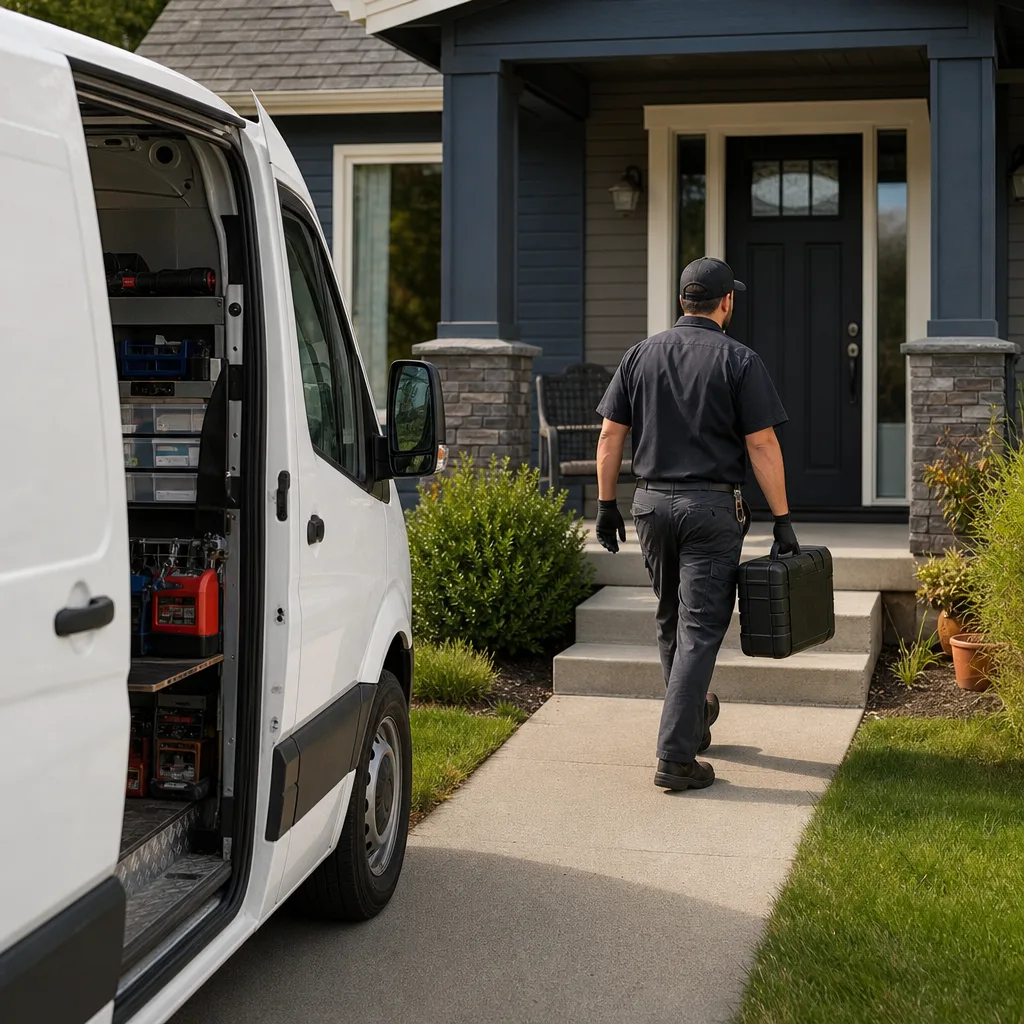
Last updated October 31, 2026
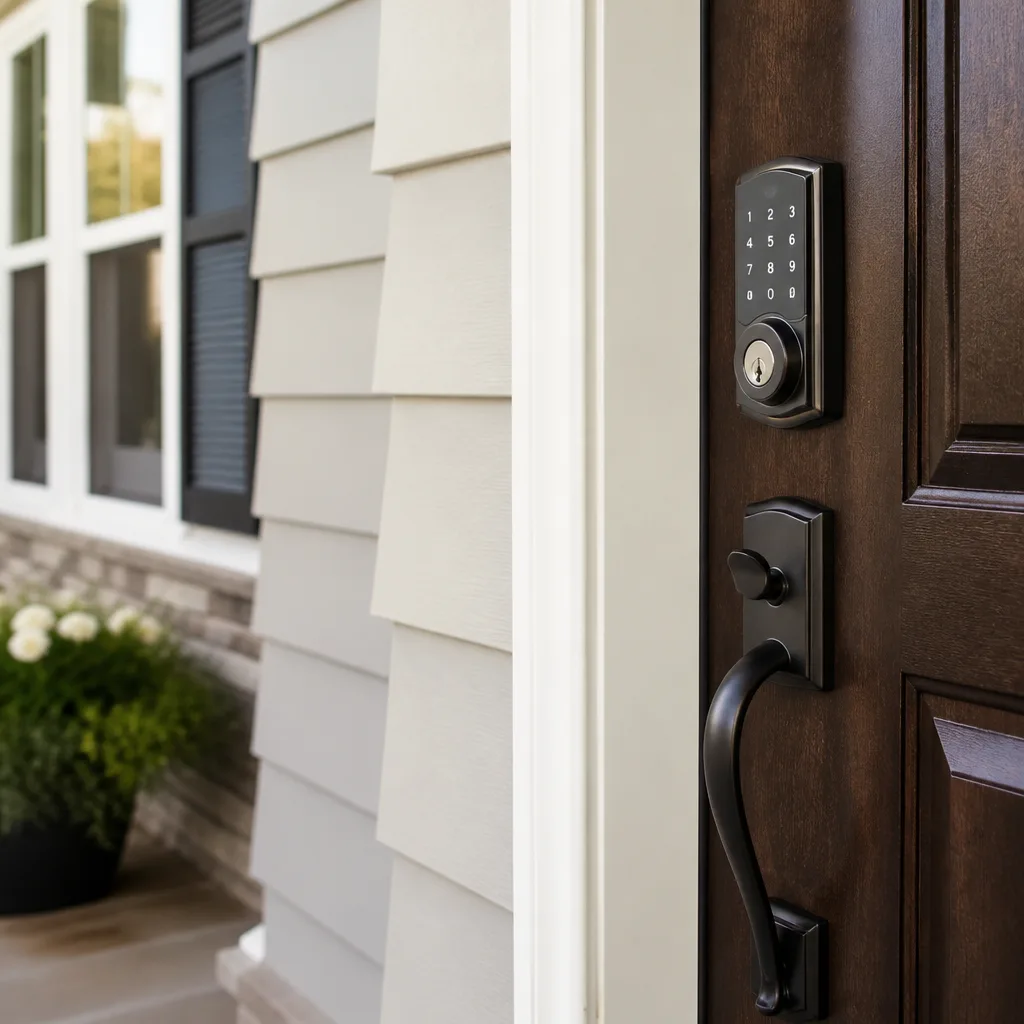 Smart locks
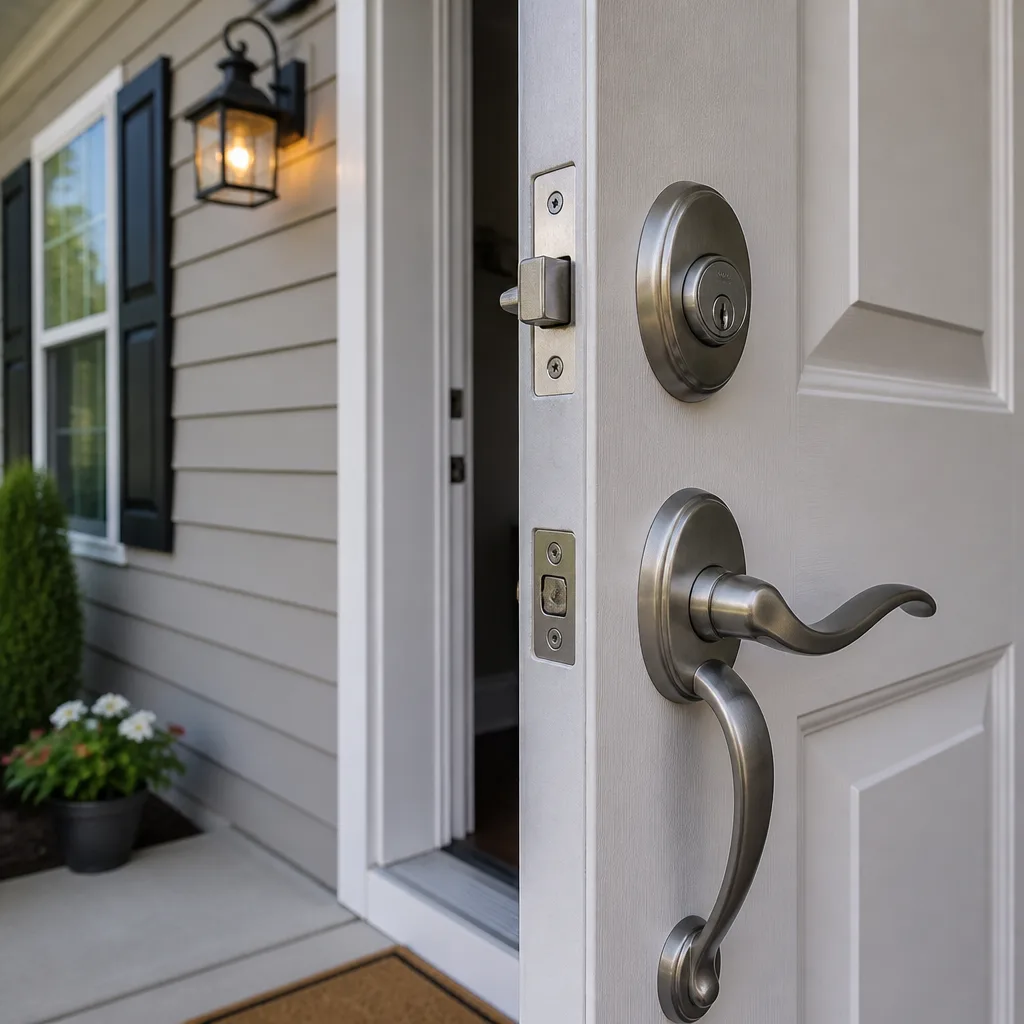 House lockouts
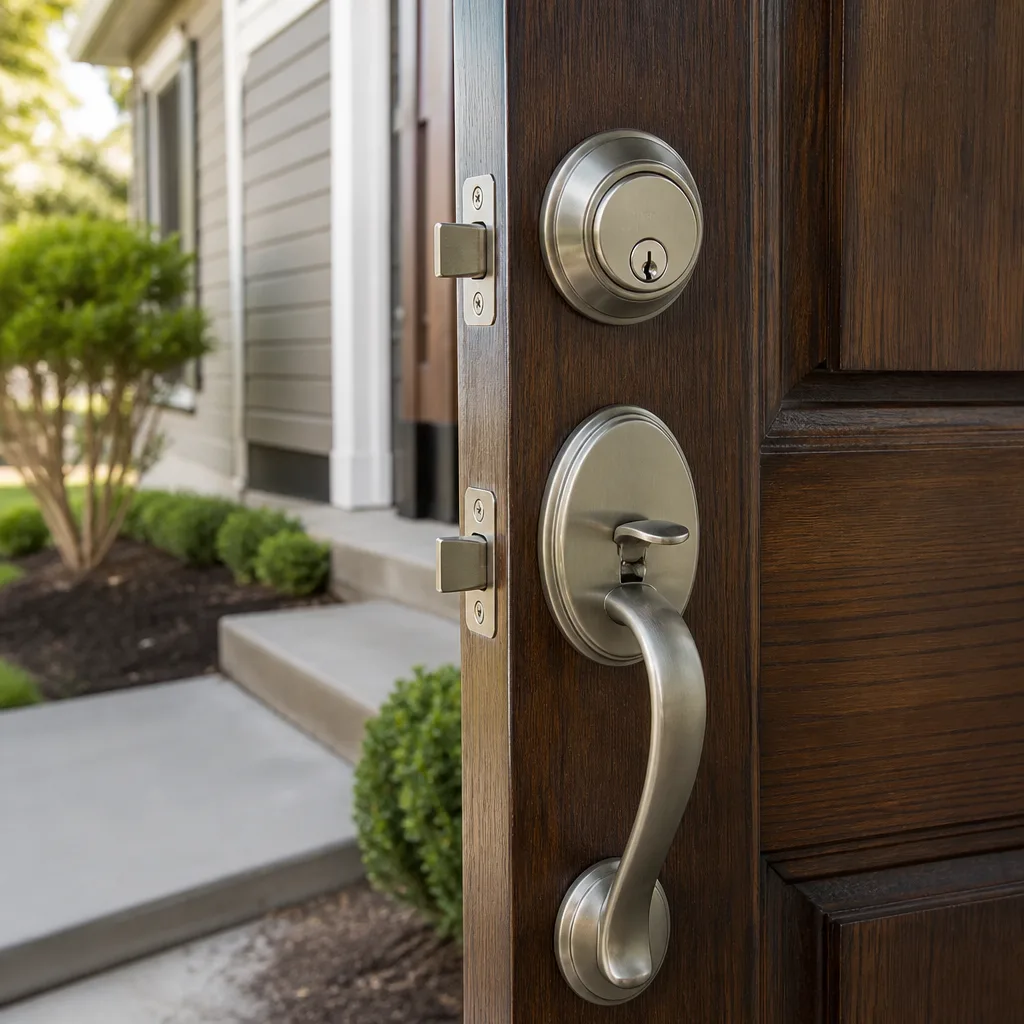 Re-keying
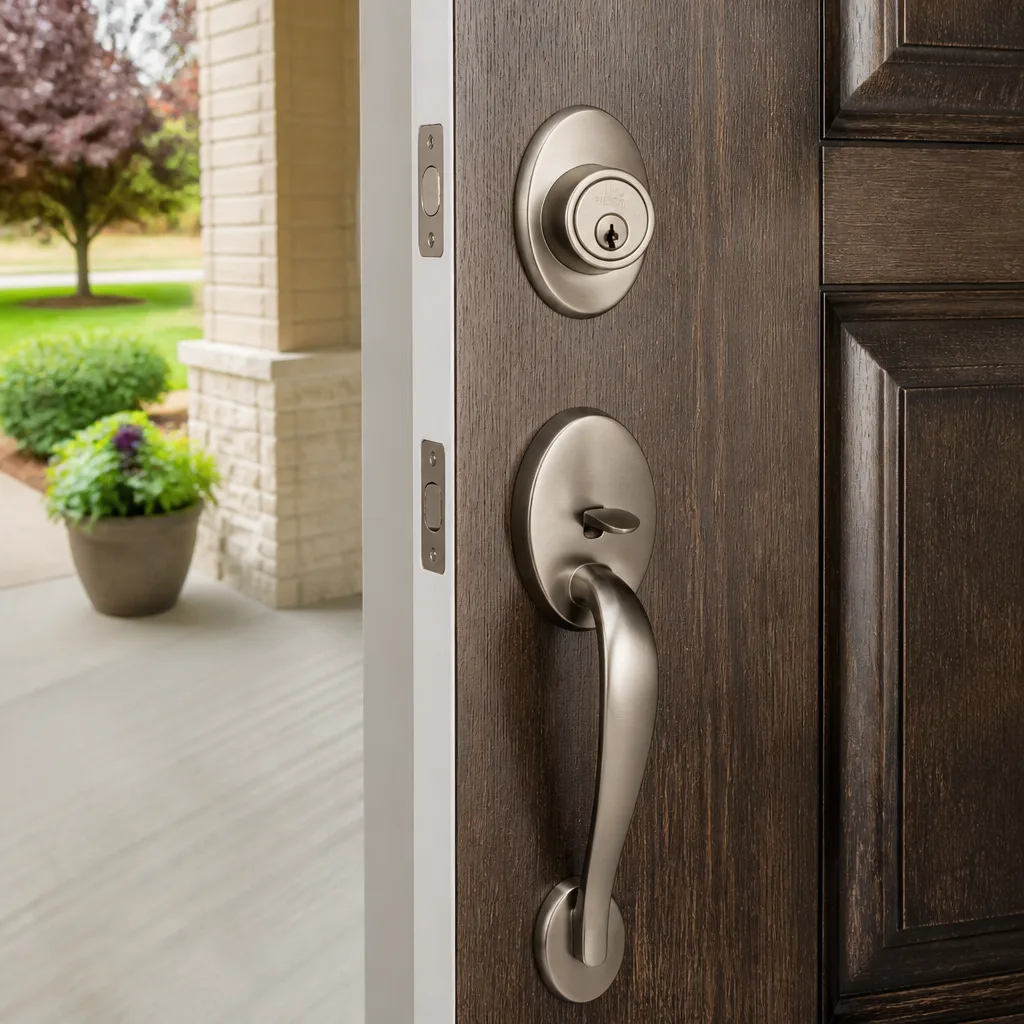 Deadbolt upgrades
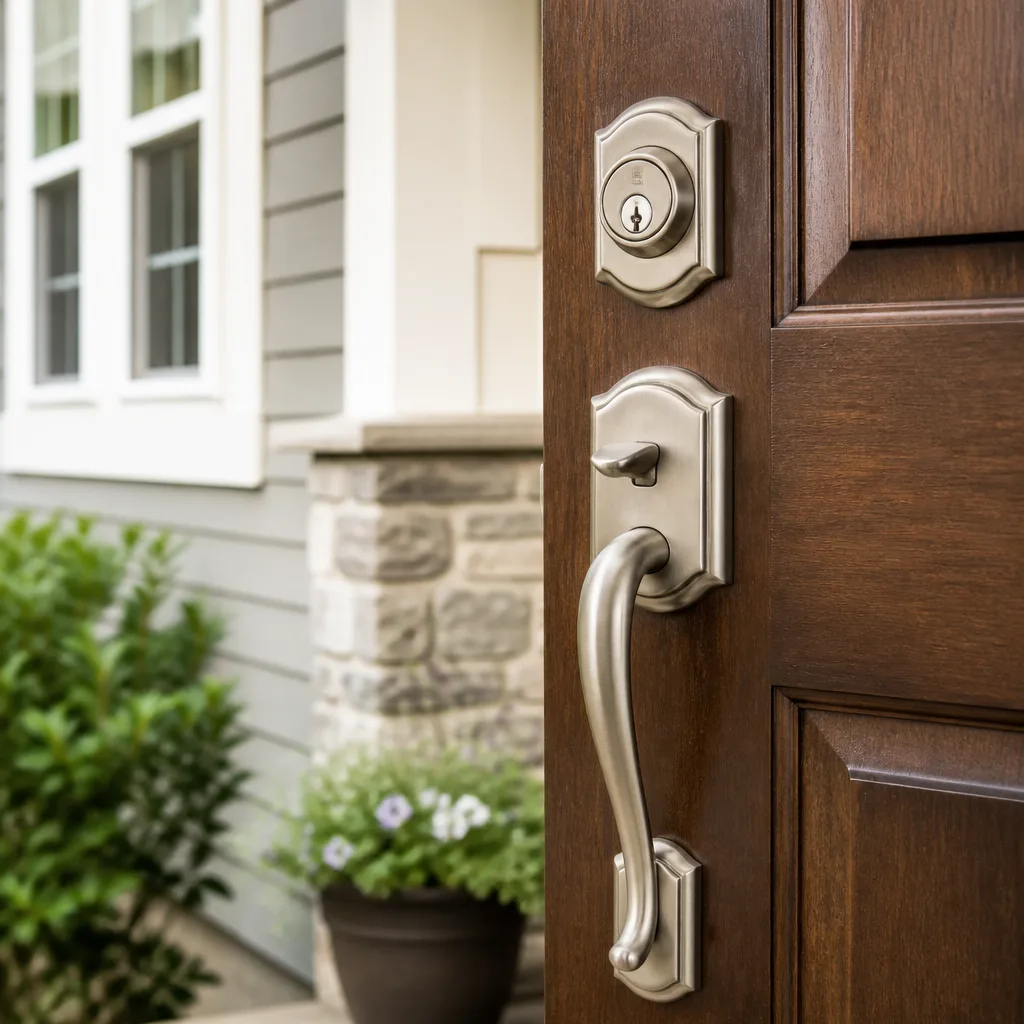 Schlage
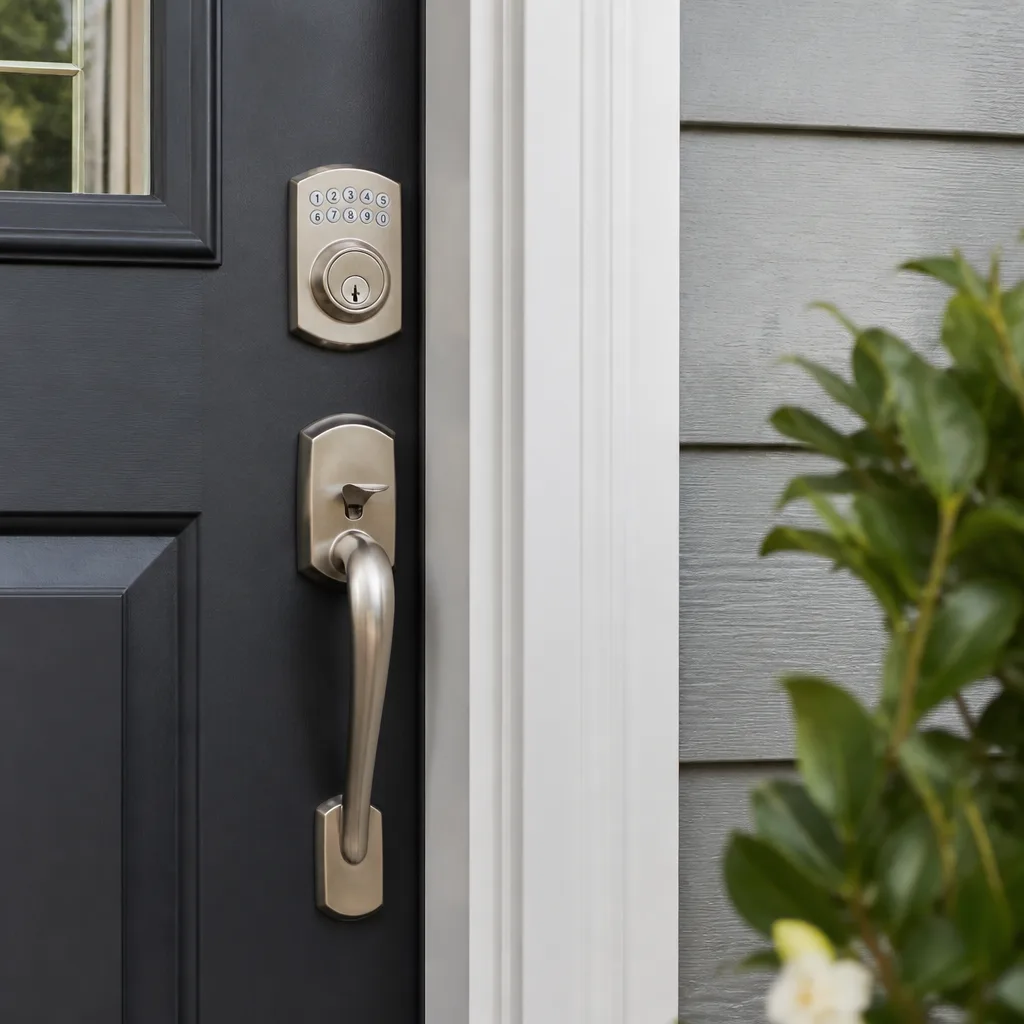 Kwikset
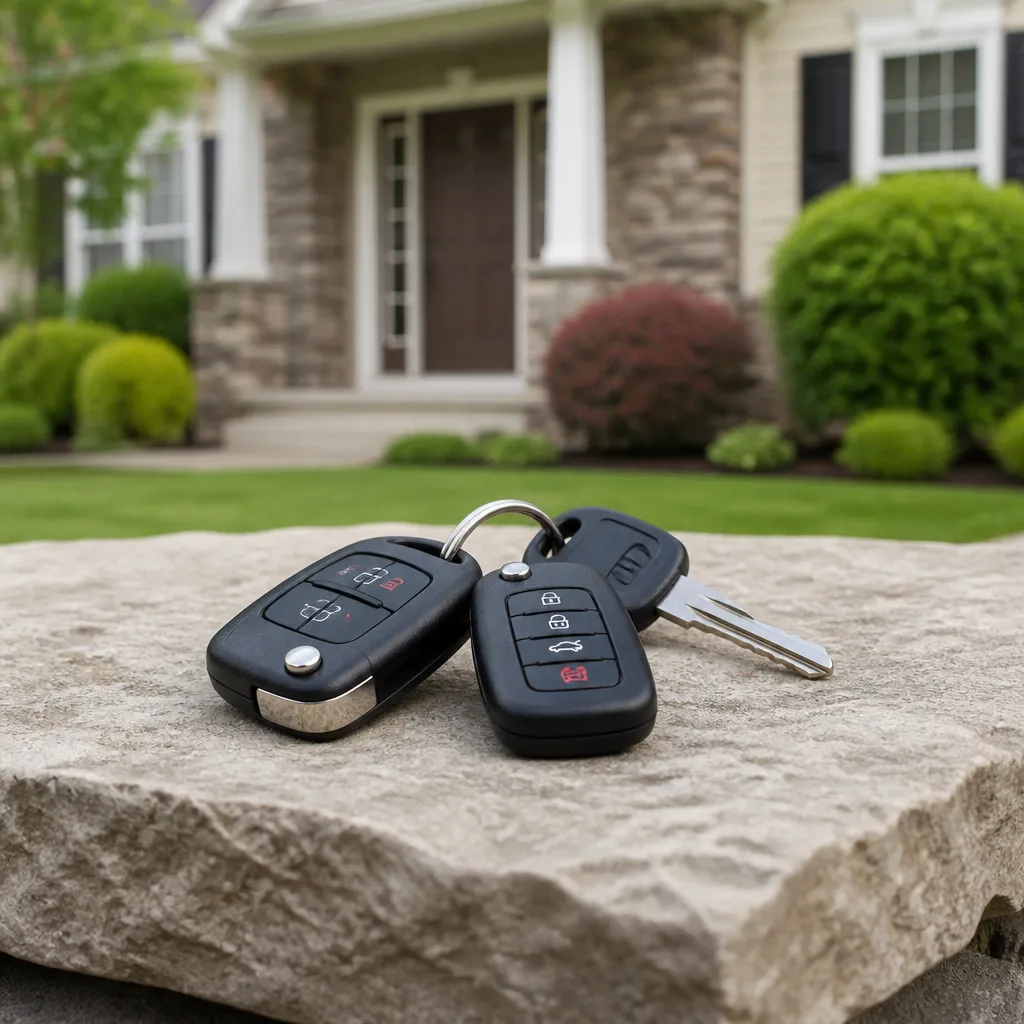 Car keys & fobs
Non-destructive entry first, always - and we re-key Schlage, Kwikset, and Baldwin locks on the spot while you watch
You get a price before we start. It does not change when we arrive. No surprises.
Get your free estimateDIY vs Professional Locksmith: The Tacoma Homeowner’s Decision Guide
Installing a Kwikset SmartKey deadbolt yourself is genuinely straightforward and carries minimal security risk if done correctly. Attempting to rekey a Medeco cylinder without the manufacturer’s tools will damage the cylinder and void its warranty. These are categorically different jobs despite looking similar on a hardware store shelf. This guide draws the line between the lock tasks you can confidently handle at home and the ones that create cascading security failures when done wrong, so Tacoma homeowners stop outsourcing jobs they could handle and stop attempting ones they shouldn’t. For locksmith emergency preparedness in Tacoma homes, knowing which category your project falls into before you start is essential.
Quick Answer
Most Tacoma homeowners can safely handle deadbolt swaps on standard prep doors, fob battery replacements, and basic padlock replacement. Rekeying a cylinder, reinforcing a strike plate on an exterior door, or installing a smart lock that integrates with an existing cylinder are tasks where a small mistake turns into a compromised door or a damaged $40-$120 lock. Any work involving high-security brands like Medeco, Mul-T-Lock, or Abloy, plus automotive transponder programming, belongs with a trained locksmith, period. The question isn’t whether you’re handy; it’s whether the task has a forgiving margin for error.
Styles & brands we work with
Table of Contents
- The Forgiveness Spectrum: What Actually Determines DIY vs Professional
- Clear DIY: Three Tasks Any Mechanically Competent Homeowner Can Handle
- Looks DIY But Isn’t: Rekeying, Strike Plates, and Smart Lock Integration
- Never DIY: High-Security Hardware, Master Key Systems, and Transponder Keys
- The Hidden Cost of a Failed DIY Locksmith Attempt
- The Three-Question Decision Flowchart for Any Lock Task
- Tacoma-Specific Factors That Change the Calculus
The Forgiveness Spectrum: What Actually Determines DIY vs Professional
Most homeowner guides frame the DIY locksmith question as a matter of skill. That’s the wrong lens. Skill matters, but the real variable is what we call the margin for error, or how much wiggle room a job gives you before a mistake creates a security problem rather than a cosmetic one.
A deadbolt swap on a standard pre-drilled door has a wide margin. The prep holes are already there. The mounting screws line up or they don’t. If you strip a screw, you drill a new pilot hole and move on. The failure mode is a twenty-minute redo, not a compromised home. In Tacoma, where most homes built after 1985 use standard 2-1/8″ bore holes and 1″ crossbores, the hardware you buy at McLendon’s or Home Depot is designed to drop into what you already have.
Rekeying a cylinder sits at the opposite end. The pins and springs inside a lock cylinder are measured in thousandths of an inch. Use the wrong bottom pin depth by a single increment and the key won’t turn. Worse, force the cylinder plug back in with a mis-seated spring and you can jam the entire mechanism, requiring extraction of a stuck plug or replacement of the cylinder. That’s a $15-$45 part that becomes a $120-$180 service call because the margin for error was effectively zero.
High-security hardware from Baldwin, Sargent, or Mul-T-Lock removes the margin entirely. These cylinders use sidebars, angled cuts, or telescoping pins that require manufacturer-specific tools and training. There is no universal pinning kit that works on them. The moment you attempt to open one without the right equipment, you’re not doing a repair; you’re causing damage that voids the lock’s warranty and the manufacturer’s security rating.
So the real question for a Tacoma homeowner isn’t “Am I handy?” It’s “If I get this wrong, what’s the worst that happens?” Answer that honestly and the DIY decision makes itself.
Clear DIY: Three Tasks Any Mechanically Competent Homeowner Can Handle
We’re going to be straight with you: there are lock jobs you should absolutely do yourself. Doing them saves you $80-$150 in labor and teaches you how your own door hardware works, which pays off when something goes wrong at a bad time. These three tasks have wide margins for error, common tools, and failure modes that don’t leave your home less secure.
1. Deadbolt Swaps on Standard Prep Doors
If your door already has a deadbolt hole bored at 2-1/8″ with a 1″ crossbore, swapping in a new Kwikset or Schlage deadbolt is an afternoon job that takes most people 30-45 minutes. You need a Phillips screwdriver, maybe a flathead for the faceplate, and the instruction sheet that comes in the box. The new deadbolt tailpiece either aligns with the existing crossbore or it doesn’t. If it doesn’t, you’ve bought the wrong backset and you exchange it. No harm done. In Tacoma, most homes east of I-5 and throughout the North End were built with standard prep, so odds are good your door is plug-and-play. The key here is that you’re replacing, not modifying. The door and the prep do the work for you. If the new deadbolt fits the existing holes and the bolt throws smoothly, you’re done. If the bolt binds or the latch doesn’t sit flush against the strike plate, stop and evaluate. Binding often means the door has shifted over time or the prep holes are slightly misaligned, and that’s a separate fix that sometimes needs more than a screwdriver.
2. Fob and Key Battery Replacement
Modern car key fobs and smart keys run on small CR2032 or CR2025 coin batteries. When your fob’s range drops or you have to press the unlock button three times to get a response, the battery is dying. Replacing it takes five minutes, a small flathead screwdriver or a plastic pry tool, and a $3 battery from any grocery store in Tacoma. We’re mentioning this because some locksmiths charge $25-$40 for what is genuinely a consumer-level task. You should know how to do it. The caveat: don’t force the fob shell open. If the two halves don’t separate with gentle pressure at the seam, there’s a hidden screw or a clip you’re missing. Breaking a shell means buying a replacement shell and transferring the circuit board, which is still doable but annoying. And if your fob has a physical emergency key blade sliding out of it, don’t lose it while the shell is open; that key is your backup when the battery finally dies.
3. Basic Padlock Replacement
For shed doors, storage lockers, gate chains, and toolboxes, a standard padlock is a consumable item. In Tacoma’s wet winters, padlocks on outdoor gates and sheds rust from the inside out. The shackle seizes, the keyway corrodes, and eventually the key won’t turn. Replacing a padlock is a bolt-cutter or angle-grinder job at worst, and a simple unshackle-and-swap at best. Buy a laminated or solid-body padlock with a shackle rated for outdoor use, spend $12-$30, and you’re done. No locksmith needed. The margin for error here is infinite; the worst-case scenario is you buy the wrong shackle size and exchange it. One Tacoma-specific note: if you’re securing a detached garage or alley-facing gate in neighborhoods like Hilltop or the Lincoln District, where alley access is common, don’t buy the cheapest padlock on the shelf. A $6 lock is a visual invitation. Spend $20-$30 on something with a hardened shackle. It’s still DIY, but the upgrade is worth it.
Looks DIY But Isn’t: Rekeying, Strike Plates, and Smart Lock Integration
These are the trap jobs. They look approachable on YouTube. The tools seem simple. The concept is intuitive. But each one has a failure mode that creates a real security problem, and in our experience across Tacoma, these are the jobs where half-finished DIY attempts walk through our door as emergency calls.
Rekeying a Cylinder: New Security Without New Hardware, But With Real Precision
Rekeying is genuinely one of the smartest things a homeowner can do when moving into a new house. It’s faster and less expensive than replacing every lock, and it gives you the same result: old keys stop working, your new key works everything. We tell Tacoma homebuyers this all the time. Closing on a house in Proctor or Stadium District? Rekey before you move a single box in. You don’t know how many copies of the previous owner’s key are floating around.
But here’s what the YouTube videos skip: rekeying a Schlage or Kwikset cylinder requires a pinning kit matched to the lock’s brand and a set of followers, tweezers, and a working knowledge of pin depth increments. Schlage uses ten pin depths. Kwikset uses six. Mix up a depth by one increment and the key binds halfway in. Force it and you bend the key or jam the plug. The pinning kit alone costs more than having a locksmith rekey the lock for you. And if you’re trying to rekey a Baldwin, Sargent, or any high-security cylinder, stop immediately. Those locks don’t use standard pinning equipment. We rekey locks across all these brands, and even with the right tools and manufacturer training, high-security cylinders demand patience and exactness that consumer-grade locks forgive. If you want the cost-smart rekey without buying a $60-$100 pinning kit you’ll use once, call a locksmith. In fact, rekeying is one of the best value services in the industry; you get fresh security without replacing hardware, and you pay a fraction of full lock replacement cost. For Tacoma renters and new homeowners, it’s the first call to make.
Strike Plate Reinforcement: What’s Behind the Frame Changes Everything
A deadbolt is only as strong as the strike plate it throws into. The standard strike plate that comes with a new deadbolt is about 1/16″ thick and held in place by two screws that bite into nothing but door frame wood. In a kick-in attempt, that plate bends, the screws tear out, and the door opens. The fix, installing a hardened security strike plate with 3″ screws that anchor into the structural stud behind the frame, sounds simple. It’s a plate swap. Six screws. Fifteen minutes.
The problem is what’s behind the door frame. In Tacoma’s older housing stock, which includes some of the most desirable neighborhoods in the city, many door frames have been shimmed, caulked, or rebuilt over decades. The distance between the door frame surface and the structural stud behind it varies. Screws that are too short fail to reach the stud. Screws that are too long hit something they shouldn’t, like an electrical run or a water line. And if the frame itself has been patched with wood filler or has soft rot, which is more common in Tacoma’s damp winters than homeowners realize, anchoring a security plate to compromised wood gives you exactly zero security improvement. You need to know what’s behind the frame, and that requires the kind of experience that comes from doing this work across hundreds of Tacoma doors. A professional can assess the frame, determine anchor depth, and install reinforcement that actually improves kick-in resistance. A homeowner guessing at screw length is often just replacing one weak point with a slightly different weak point.
Smart Lock Integration with Existing Cylinders
The appeal of a smart lock is real: keypad entry, remote access, no more hiding a key under a rock. What the marketing doesn’t tell you is that many smart locks are designed to replace only the interior thumbturn, leaving the existing exterior cylinder in place. If your existing cylinder is worn, misaligned, or keyed to an old key that’s still circulating, the smart lock is just putting a shiny face on a compromised core.
The other issue is fitment. Not every Tacoma door accepts every smart lock, and the tolerances are tighter than they look. A smart lock that’s even slightly misaligned on the spindle will bind, drain batteries in weeks instead of months, or fail to lock when you think it locked. If you’re adding smart lock capability to a Mul-T-Lock or Medeco cylinder, the complexity jumps further, because those cylinders aren’t designed to mate with consumer smart lock assemblies. The integration point, where smart electronics meet precision mechanical security, is exactly where things go wrong. Installing a smart lock on a standard, fresh consumer-grade deadbolt is a borderline DIY job if you’re comfortable with the steps. Integrating one with existing high-security hardware is a professional job.
Never DIY: High-Security Hardware, Master Key Systems, and Transponder Keys
Some jobs aren’t about margin for error; the margin is zero and there’s a cliff on both sides. These are the tasks where attempting the work yourself creates either a compromised security system or a damaged component that costs more to fix than the entire job would have cost to do professionally.
High-Security Lock Installation and Servicing
Brands like Medeco, Mul-T-Lock, Abloy, and Sargent exist because standard pin-tumbler locks can be picked, bumped, and bypassed by anyone with modest training and a $30 tool kit. High-security locks use mechanisms that resist those attacks: sidebars that require exact alignment, telescoping pins that pick tools can’t feel, rotating discs that have no conventional pins at all. These mechanisms demand manufacturer-specific tools, manufacturer-specific training, and a degree of precision that consumer locks don’t require.
We work in these brands, which puts us in the minority of locksmiths operating in Tacoma. Most regional locksmith companies are set up for consumer-grade Schlage and Kwikset work and will tell you flat-out they don’t service high-security cylinders. When a homeowner tries to service one of these locks without the right equipment, the result is uniformly ugly: the cylinder is damaged, the warranty is voided, and the lock, which was likely a $200-$400 investment, becomes a paperweight. There is no scenario where the savings from DIY justify that risk. If you have high-security hardware, or you’re considering upgrading to it because you want better protection than a standard deadbolt offers, that’s a professional-only path from purchase through installation.
Master Key System Design
A master key system lets a landlord open every unit in a building while each tenant’s key only opens their own door. It sounds simple; a key that opens everything, keys that open one thing each. The reality is a precise mathematical hierarchy. Master key systems use master pins, controlled by the configuration of the cylinder stacks, to create the keying relationships. Design it wrong and you create a system where Tenant A’s key accidentally opens Tenant B’s unit, or a service key opens more than it should. The security failure isn’t theoretical; it’s a feature of poor pinning choices.
In Tacoma, where multi-unit rentals in the Sixth Avenue corridor and duplexes throughout the city are common, we see landlords who inherited hand-drawn master key charts from previous owners and have no idea if the system is actually secure. Designing or redesigning a master key system requires understanding pinning math, cross-keying risks, and future expansion needs. It also requires the ability to pin every cylinder in the system to the new chart. This is not a weekend project, and it’s certainly not a job for someone learning how lock cores work.
Automotive Transponder Programming
Modern car keys aren’t just cut metal. They contain a transponder chip that talks to the vehicle’s immobilizer system. The car won’t start unless the chip’s signal is recognized. Duplicating the mechanical cut of a car key is one thing, but programming a new transponder to the vehicle requires either a corresponding programming tool for that specific make and model or access to the vehicle’s OBD port and the software to interface with it.
This is the automotive equivalent of the repair jobs mechanics won’t touch once a shade-tree owner has been in there first. A failed transponder programming attempt can lock out the vehicle’s immobilizer, leaving the car unable to start even with the original key. The fix typically requires a tow to a dealership or a specialized automotive locksmith with dealer-level programming capabilities. Car key replacement is one of the core things we do, and the reason customers call us instead of attempting it themselves is that the failure mode, a bricked immo system, is one of the most expensive mistakes in residential or automotive locksmithing. If your key has a chip in it, which includes nearly every vehicle made after 2000, don’t experiment. Call someone who already owns the programming equipment for your make and model. Tacoma has plenty of dealerships that will quote you two to three times what an independent automotive locksmith charges for the same job.
The Hidden Cost of a Failed DIY Locksmith Attempt
Every locksmith in Tacoma has a version of this call in their history: the customer who started a rekey on a Saturday afternoon, got the cylinder apart, couldn’t get it back together, and now has a door that won’t lock and a pile of loose pins on the kitchen counter. That call is our job to fix. But it’s worth understanding what that call actually costs.
First, there’s the parts cost of the damage. A stripped screw in a door prep hole might require drilling and filling the hole, then remounting the lock. A jammed cylinder plug from a mis-seated spring often can’t be extracted without a plug follower and some careful work; if the cylinder is destroyed, you’re replacing it. A broken smart lock spindle from forcing an alignment means buying a new smart lock assembly. None of these parts are expensive in isolation, but they add up.
Second, there’s the labor premium. Fixing someone else’s partial job takes longer than doing the job right the first time. We have to disassemble what you’ve attempted, identify which parts are salvageable and which aren’t, source replacements, and then do the entire job properly. That’s frequently one and a half to two times the labor of the original job, because we’re doing the work twice: undoing first, then doing.
Third, there’s the security lag. A door that won’t lock, even for one night, is a door that anyone can open. In Tacoma neighborhoods with active property crime concerns, like parts of the Eastside or South Tacoma, leaving a door unsecured overnight because a Saturday project went wrong is a risk no one should take. If you’re mid-DIY and realize you’re stuck, call us before you force anything. The cost of a rescue call is lower than the cost of a forced-attempt repair. And we’d rather walk you through stopping gracefully than receive the aftermath. For more guides & resources on Tacoma lock maintenance and when to call for help, explore our blog.
The takeaway isn’t “never try.” The takeaway is that jobs with a wide margin for error are safe bets, and jobs with zero margin should be routed to a professional before you start, not after you’re stuck. We regularly help Tacoma homeowners with rekey locks done professionally, and honest assessment before starting would have saved several of those customers time and money. Check the Lodestar Locksmith home service overview to see what the professional path looks like across residential, automotive, and high-security work.
The Three-Question Decision Flowchart for Any Lock Task
You don’t need to be a locksmith to classify a lock job correctly. You need to ask three questions in order. Each answer routes the task to one of three categories: clear DIY, borderline, or professional-only. This framework works for any lock task, from a stuck padlock to a full smart lock system.
- What happens if I fail? If the worst-case failure mode is cosmetic, time-consuming to redo, or affects only a replaceable sub-$30 part, the job has a wide margin for error. Clear DIY territory. If the failure mode impacts security, like a door that can’t lock, or damages a component that’s expensive or hard to replace, the margin narrows. Proceed to question two. If the failure could render a vehicle inoperable, void a high-security warranty, or compromise security across multiple units, the margin is zero and the task is professional-only. Stop here and call.
- Do I own the correct tools for this exact task? Not “can I buy them” or “can I borrow them.” Do I own them right now and know how to use them? For a deadbolt swap, a screwdriver qualifies. For rekeying, a pinning kit matched to your lock brand and a set of followers qualify. If you don’t own the tools, the cost of acquiring them plus the time to learn them usually exceeds the cost of professional service. Proceed to question three only if you own the right tools.
- Is this lock part of a larger system? If the lock you’re working on interacts with anything else, like a master key chart, a smart home hub, a building access control system, or a vehicle immobilizer, the complexity isn’t in the single lock; it’s in the system. A mistake in one part of a system creates problems elsewhere. System-level work is professional work. If the lock is standalone and isolated, and you’ve passed questions one and two, proceed with reasonable confidence.
Three questions. They take thirty seconds to ask and they’ll steer you right more reliably than any amount of YouTube research. The homeowners who get into trouble are almost always the ones who skipped question one or answered it optimistically instead of honestly. If you’re in Tacoma and you’re not sure where a task falls, the emergency locksmith response is there for when things go sideways, and the honest answer before you start is always cheaper.
Tacoma-Specific Factors That Change the Calculus
Tacoma’s housing stock, climate, and neighborhoods have a real effect on which lock tasks are DIY-friendly and which ones aren’t. Here’s what changes when you’re working on a door in the City of Destiny instead of a generic suburban tract home.
Older Homes, Older Doors, Older Prep
A significant portion of Tacoma’s residential inventory predates the 1980s. Homes in the North End, Proctor, and Stadium District are frequently 1920s-to-1960s construction. Their doors weren’t manufactured to modern prep standards. Bore holes are sometimes non-standard or worn from decades of use. Strike plates have been moved, remounted, or layered. What looks like a simple deadbolt swap on an old Tacoma door can reveal needing to enlarge a bore hole, re-drill a crossbore, or address frame rot that wasn’t obvious before you removed the old lock. If your home is pre-1980 and the old lock is original, expect some degree of modification, and know that modification is where DIY margins start dropping.
Marine Moisture and Its Effect on Hardware
You can’t talk about locks in Tacoma without talking about moisture. The city sits on Puget Sound, gets 39-41 inches of rain a year, and maintains humidity levels that accelerate corrosion on any exterior metal. Exterior deadbolts, gate locks, and padlocks in Tacoma degrade faster than the same hardware in, say, Spokane. What this means for DIY: that stuck lock you’re trying to service has likely been corroding from the inside for years, and gentle disassembly often reveals pitted plugs, oxidized springs, or seized pins. A lock that’s been on an ocean-facing door for a decade isn’t a good rekey candidate even for a professional. Replacement is the honest option. In practice, this means part of your DIY assessment should include the age and exposure of the hardware, not just the type of job.
Neighborhood Security Context
Different parts of Tacoma have different security profiles, and the lock choices that make sense in one neighborhood differ from another. A standard Kwikset deadbolt on a quiet cul-de-sac in Fircrest might be perfectly adequate. The same lock on a ground-floor unit in Hilltop or a house with alley access in the Lincoln District is a weaker link. We’re not saying some neighborhoods are dangerous and others aren’t; that’s too reductive. But property crime patterns do vary, and homes with detached garages, alley-facing doors, or low-visibility entry points benefit from hardware upgrades beyond standard consumer grade. That often means a security strike plate at minimum, and sometimes means stepping up to a high-security cylinder or a smart lock system. Those upgrades are professional territory, which shifts more Tacoma-specific tasks into the “call a locksmith” column than a homeowner in a newer, drier, lower-traffic region might expect.
Rental Turnover and Rekeying Volume
Tacoma’s rental market is significant, with multi-unit buildings concentrated around the Sixth Avenue corridor, downtown, and scattered throughout the city. Every time a tenant moves out, the responsible move is to rekey the unit. Landlords doing this repeatedly often drift toward trying to rekey themselves to save money per turnover. Given that a single rekey service call is significantly less expensive than the pinning kit, the time investment, and the risk of a botched cylinder, the math rarely works in the landlord’s favor. For multi-unit properties with several turnovers per year, the professional rekey is a cost of doing business, not an occasional luxury. And for any landlord managing more than one unit, of course, master key questions start entering the conversation.
For automotive issues, Tacoma’s geography matters too. The city is bordered by water on the north and northeast, which limits quick access to certain dealerships in Seattle and beyond. When a car key is lost in Point Defiance or a transponder dies in Browns Point, the closest dealer might be a tunnel-and-traffic mess away. An automotive locksmith based in Tacoma often reaches you faster than a dealership appointment, and handles car key replacement with the same programming equipment. That convenience factor pushes automotive work firmly toward professional service, not just for safety but for the simple practicality of getting your car back on the road.
Common Mistakes to Avoid
- Assuming all rekeying is the same. Rekeying a Schlage or Kwikset cylinder is a standard locksmith task. Rekeying a Medeco, Mul-T-Lock, or Abloy cylinder requires manufacturer-specific tools and training. Attempting the latter with consumer-grade equipment destroys the cylinder and voids the warranty.
- Replacing a lock without checking the prep first. Tacoma’s older homes often have non-standard or worn bore holes. Confirming the door prep matches the new lock before purchasing saves a trip back to the hardware store and prevents the temptation to force a fit that shouldn’t be forced.
- Reinforcing a strike plate without knowing what’s behind the frame. A security strike plate only works when anchored into the structural stud. Guessing at screw length, or anchoring into soft or rotten frame wood, produces zero security improvement while giving every appearance of one.
- Attempting transponder programming on a modern vehicle. The failure mode for a botched transponder programming attempt is an immobilized vehicle that won’t start even with the original key. That’s a tow truck and a dealer visit, not a YouTube redo.
- Applying smart lock fitment assumptions from a different door. Smart locks are less forgiving on alignment than conventional deadbolts. A lock that fits one door in a house may not seat correctly on another, especially on older Tacoma doors that have settled or shifted.
- Treating a master key system as a simple key hierarchy. Designing a master key system without proper pinning math creates crossover keys, where one tenant’s key opens another unit. The only way to know whether your inherited system is secure is to have it professionally assessed.
- Waiting until you’re mid-job to call for help. If a DIY lock job goes wrong, calling a locksmith before you force anything is cheaper than calling after. Forced attempts strip screws, jam plugs, and bend components in ways that simple disassembly doesn’t. Stop, document what you’ve done, and call. Tacoma locksmiths have seen every state of partial job, and the rescue is always less expensive than the repair.
When to Call a Professional
Call a professional when the margin for error is zero, when the failure mode creates a security gap, when the lock is part of a larger system, or when you’d be buying specialized tools for a one-time job. That covers rekeying, high-security hardware, smart lock integration, master key work, strike plate reinforcement on anything but the most standard frame, and any automotive key with a transponder. The test is simple: if you’re not sure, the cost of a phone call to ask is zero, and the cost of a failed attempt starts at the moment your front door doesn’t lock. Lodestar Locksmith gives free estimates in Tacoma, and we’re honest about which jobs you can handle yourself. Call (855) 382-0943 and we’ll tell you straight whether it’s worth hiring us or worth your Saturday afternoon.
Frequently Asked Questions
A lock installation is DIY-friendly if you’re replacing an existing deadbolt or knob on a door with standard prep, you own a screwdriver, and the new hardware’s backset matches the existing bore. If your Tacoma home was built after roughly 1990, standard prep is likely. If you’re drilling new holes, working on a pre-1980 door, or integrating the lock with smart home or high-security hardware, the job edges toward professional territory.
Rekeying a consumer-grade Schlage or Kwikset cylinder is technically possible for a homeowner with a brand-matched pinning kit, a plug follower, and patience, but the cost of the tools usually exceeds the cost of hiring a professional to rekey the lock. Rekeying any high-security lock, including Medeco, Mul-T-Lock, and Abloy, requires manufacturer-specific training and tools, and attempting it will damage the cylinder. For most Tacoma homeowners, professional rekeying is the practical and economic choice.
Rekeying is almost always less expensive than replacing a lock, because you’re reusing the existing hardware and changing only the internal pinning. For a standard Schlage or Kwikset deadbolt, rekeying typically costs less than half of replacement hardware plus installation. Call (855) 382-0943 for an exact quote on your specific locks.
Stop immediately. Do not force any components, do not apply more torque, and do not take anything else apart. Document what you’ve done, gather any loose pins or parts into a container, and call a locksmith. A rescue call on a stopped job is significantly cheaper than repairing damage from a forced attempt, and most partial DIY jobs can be recovered. Lodestar Locksmith can walk you through stopping safely and get to your Tacoma property to finish the job correctly.
Smart locks add real convenience, including keypad entry and remote access, but their value depends on the condition of the existing cylinder and door alignment. Installing a smart lock over a worn or misaligned cylinder creates battery drain, binding, and false-lock failures. If your existing lock is fresh and your door is true, a smart lock is a viable upgrade. If your cylinder is old, rekeying or replacing it first ensures the smart lock operates reliably.
Modern vehicle keys contain transponder chips that communicate with the car’s immobilizer system. Programming a new key requires make-and-model-specific equipment and access to the vehicle’s OBD port. A failed programming attempt can lock out the immobilizer, leaving the car unable to start even with the original key. Automotive locksmiths own the programming tools for most makes and models and perform the job without a dealership appointment.
The Bottom Line
Some lock tasks belong in a homeowner’s hands, and some don’t, and the difference is less about skill than about forgiveness. Deadbolt swaps, fob batteries, and padlock replacements give you room to make mistakes without creating security risks. Rekeying, strike plate reinforcement, and smart lock integration take that room away. High-security hardware, master key systems, and transponder programming don’t offer any room at all. In Tacoma, where older homes and marine moisture complicate even routine hardware work, knowing which category a job falls into saves you time, money, and a door that locks when you need it to. If you’re not sure where your project falls, call (855) 382-0943 for a straight answer. We’d rather help you decide than rescue you later.
Written by the team at Lodestar Locksmith, serving Tacoma since 2012.